

Independent Golf Reviews is reader-supported, when you buy through links on our site, we may earn a commission.
The Best Golf Balls For Seniors in 2026

Behind Independent Golf Reviews: How we test & review
1000+
Clubs Tested
14+
Years of Reviews
100%
Unbiased
Our Top Tested Picks
– Best Golf Balls for Seniors Overall
– Best Budget Golf Balls for Seniors
– Best Distance Golf Balls For Seniors
– Best DTC Golf Balls for Seniors
– Best 2 Piece Golf Balls for Seniors
– Best Premium Golf Balls for Seniors
– Best Senior Golf Ball for Spin
– Best Feeling Golf Ball for Seniors
– Best Senior Golf Ball for More Height
How We Tested These Golf Balls
How to Choose The Best Golf Ball For Seniors
FAQs
Golf balls for seniors should compensate for a slower swing while still providing maximum distance. Low compression and soft feel models tend to be ideal. There are numerous factors to think about before you make an investment.
Your game play, swing speed, and skill level all play a role in the type of golf balls best suited for your experience. Numerous manufacturers market balls for seniors or mature players, but they aren’t all the same in terms of quality and reliability. And you shouldn’t simply buy a higher-priced product, thinking it will make a big difference.
To help you choose the best golf balls for seniors, you’ll need to focus on compression, soft feel, and visibility (those bright colors can make a big difference for older eyes). Choose based on your capability and your budget as well.
Having used thousands of golf balls over the years and noticing the difference in what I prefer as I get older or spend more time on the course with more mature players, I felt it was beneficial to test out a few different options to find the right product for most people. Golf balls can improve your game if you choose the appropriate option. Here’s how to buy the best golf balls for seniors.
Official Senior Golf Ball Rankings 2026


In More Depth: Our TOp Picks

Pros & Cons
- Low compression maximizes distance at moderate speeds
- Exceptional feel provides feedback on every shot
- Reliable greenside spin for scoring opportunities available
- Trusted Titleist quality ensures consistent performance always
- Durable cover lasts multiple rounds confidently
- Mid-range pricing above some competitor options
- Less workability than tour-level offerings provide
Expert’s Thoughts
After playing the Titleist Tour Soft exclusively for two months, I understand why it’s become the go-to choice for senior golfers. The low compression rating is absolutely perfect for my swing speed, which hovers around 95 mph these days. I’m getting phenomenal energy transfer at impact without that harsh, clicky sensation that firmer balls produce.
Compared to other senior-specific golf balls, the distance gains are substantial and immediately noticeable. That extra distance isn’t coming from some gimmick either as it’s pure Titleist craftsmanship working in the golfer’s favor. The core technology compresses fully with my swing, creating maximum ball speed without requiring tour-level velocity.
What separates this from other senior-focused balls is the complete performance package. Yes, it delivers distance, but you’re not sacrificing control anywhere else. My iron shots land predictably with adequate spin to hold greens. Around the putting surface, I have genuine touch and can execute delicate chips or aggressive bump-and-runs depending on the situation.
The feel is luxuriously soft without being mushy or dead. Every putt rolls smoothly off the face with excellent feedback. I can judge speed effortlessly, which has lowered my three-putt frequency significantly. The construction quality meets Titleist’s legendary standards; each ball performs identically to the last.
Who It’s For
Senior golfers with swing speeds between 75-90 mph seeking the ideal balance of distance, feel, and control will find the Tour Soft perfectly suited to their needs. Players who value trusted brand quality and consistent performance across all shot types should strongly consider this option. It particularly benefits those transitioning from firmer balls who want a softer feel without compromising distance or accuracy.

Pros & Cons
- Outstanding value delivers premium performance affordably
- Soft compression suits slower swing speeds perfectly
- Three-piece construction provides versatile playability options
- Impressive durability extends playable life considerably
- Adequate spin for recreational golf requirements
- Limited availability only through Costco membership
- Cover shows scuff marks sooner visually
Expert’s Thoughts
I’ll admit I was doubtful when my playing partner insisted I try the Kirkland 3.0. How could a budget ball from a warehouse store compete with established brands? After a few range sessions and rounds of testing, I’m absolutely converted and frankly a bit embarrassed by my initial skepticism.
The performance legitimately rivals balls costing three times as much. Off the tee, I’m getting comparable distance to distance options I’ve played for years. The ball launches beautifully with my driver, producing that ideal mid-high trajectory that maximizes carry without ballooning. When I catch one flush, it absolutely flies with surprising power for such a soft-feeling ball.
The three-piece construction is surprisingly sophisticated for the price point. My irons respond predictably, and I’m holding greens without issue. The spin rates seem dialed in appropriately for my game as it’s enough to control approach shots but not so much that I’m fighting excessive spin on off-center strikes. Around the greens, I have sufficient versatility to execute standard chips and pitches with confidence.
What really sold me was the consistency across multiple balls. Each one performs identically, which builds tremendous trust. The feel is pleasantly soft throughout the bag, making long practice sessions easier on my hands and wrists. While the cover does show cosmetic wear relatively quickly, actual performance remains solid for several rounds.
The value proposition is simply unbeatable. This provides a premium-level golf ball without the premium price tag, which means I can practice more freely without worrying about lost ball costs.
Who It’s For
Budget-minded senior golfers who play frequently and want maximum value without sacrificing performance will love the Kirkland 3.0. Players with Costco memberships seeking a soft, reliable ball that competes with premium options at a fraction of the cost should test this immediately. It’s ideal for those who lose balls occasionally and want quality performance without financial anxiety.

Pros & Cons
- Gradation core technology optimizes energy transfer efficiently
- Specifically engineered for 90-105 mph swing speeds
- Reduced driver spin promotes straighter flight paths
- Tour-level greenside control for precision scoring shots
- Seamless cover enhances aerodynamic efficiency substantially
- Premium pricing limits budget-conscious accessibility significantly
- Less suitable for very slow swings
Expert’s Thoughts
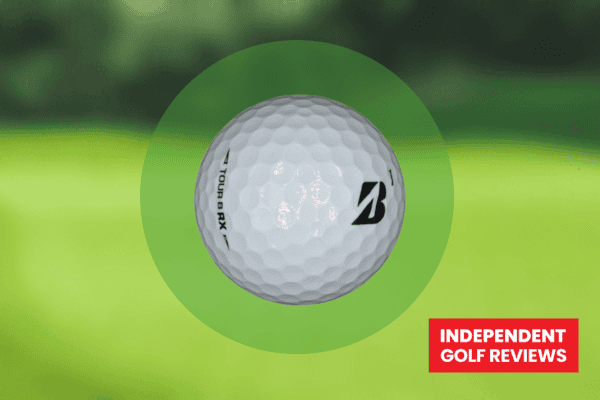
Distance loss has been my biggest frustration as I’ve aged, so discovering the Bridgestone Tour B RX felt like finding the fountain of youth for my golf game. This ball is meticulously engineered for exactly my swing speed range, and the results have been genuinely transformative.
The gradation core is the real innovation here. It’s firmer in the center and progressively softer toward the outer layers, which creates this incredible energy transfer at impact. I’m compressing the ball fully without needing excessive speed, and that efficiency translates directly into yards. I’ve picked up a legitimate 10-15 yards off the tee compared to balls not designed for my swing profile.
What amazes me is how this distance comes with remarkable forgiveness. My off-center strikes don’t get severely punished like they would with tour balls designed for faster swingers. The ball still gets airborne nicely and maintains reasonable distance even when I don’t pure it. This consistency has been huge for my confidence.
The seamless cover technology produces a noticeably straighter ball flight. I’m not fighting my typical fade as much because the reduced driver spin keeps the ball on a tighter line. More fairways mean shorter approach shots, which compounds the distance advantage this ball provides.
Greenside performance exceeds what I expected from a distance-focused ball. I’m generating adequate spin to control wedges and can execute various short game shots effectively. The feel is excellent throughout; soft enough to enjoy but responsive enough to provide feedback.
Who It’s For
Senior golfers experiencing distance loss who swing between 80-90 mph will find the Tour B RX specifically engineered for their needs. Players seeking maximum yardage recovery without compromising accuracy or greenside control should prioritize this ball. It’s particularly valuable for those willing to invest in premium technology designed explicitly for moderate swing speeds rather than settling for generic options.

Pros & Cons
- Tour performance at significantly reduced pricing structure
- Soft feel suits senior swing characteristics ideally
- Excellent spin control on approach shots delivered
- Customization options add personal touch easily
- Direct model eliminates unnecessary retail markup
- Online ordering requires planning ahead carefully
- International shipping takes longer than domestic
Expert’s Thoughts
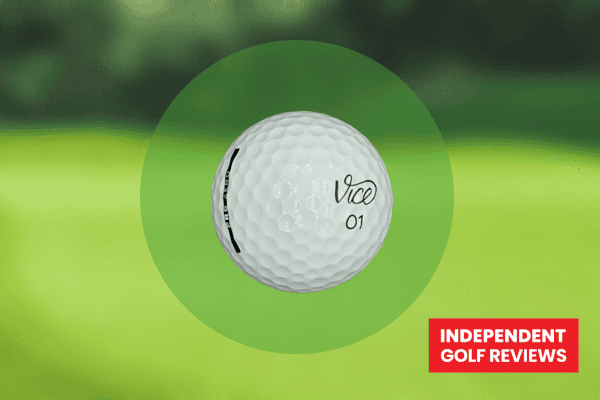
Switching to a direct-to-consumer brand felt risky initially, but the Vice Pro has completely justified that leap of faith. I’m getting authentic tour-level performance at a price point that makes me wonder why I spent years overpaying for retail brands.
The compression is beautifully matched to my swing. At impact, the ball feels incredibly responsive and soft without any harshness. I’m generating excellent ball speed that translates into respectable distance, even though my swing isn’t what it used to be. The flight is stable and penetrating, cutting through wind conditions that would typically knock my shots offline significantly.
What really impresses me is the complete game this ball offers. My approach shots respond exactly as I want on the course, with reliable spin that holds greens. The ball reacts predictably to different swing speeds and attack angles, which makes club selection straightforward.
The short game performance rivals anything I’ve played at this price point. Chips and pitches respond nicely to how I strike them, and I can vary trajectory and spin based on the situation. Putting feels fantastic with great feedback through the putter face that helps me judge speed accurately.
Ordering online was simple and straightforward. The balls arrived quickly and securely packaged. I added custom text and numbering, which makes them feel special and easier to identify. The savings over retail brands are substantial enough that I can afford to practice more freely without worrying about cost per ball.
Who It’s For
Senior golfers comfortable with online purchasing who want tour-level performance without premium retail pricing will appreciate the Vice Pro tremendously. Players seeking soft feel, reliable distance, and customization options at exceptional value should explore this direct-to-consumer alternative. It’s perfect for those who plan ahead and buy multiple dozen annually, maximizing savings while maintaining performance standards.

Pros & Cons
- Simple two-piece design maximizes distance efficiently
- Very low compression suits slower swings perfectly
- Affordable pricing encourages frequent ball replacement
- Durable construction withstands extended play consistently
- Vibrant color options enhance visibility significantly
- Limited greenside spin compared to multilayer
- Less feel than premium tour options
Expert’s Thoughts
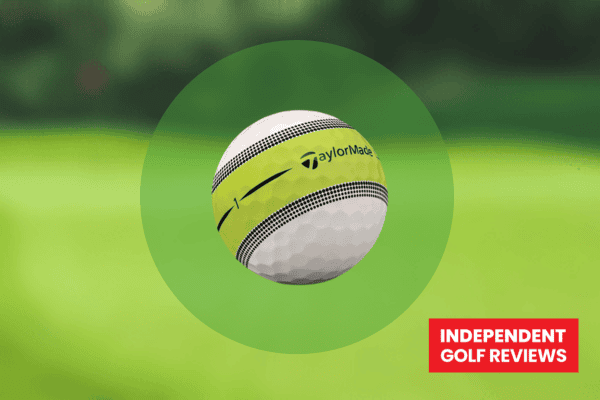
Sometimes simplicity is exactly what your game needs as a senior golfer, and the TaylorMade Speed Soft proves this philosophy brilliantly. This straightforward two-piece ball has become my favorite for casual practice and fun rounds where I want maximum distance without overthinking my equipment.
The low compression is apparent immediately at impact. The ball feels incredibly soft, almost pillowy, which is much easier on my aging hands during long rounds. Despite this softness, I’m getting solid distance during testing sessions. The large, reactive core generates nice ball speed with my swing tempo.
The aerodynamics are well-designed for stability and distance. My drives maintain a consistent, medium-high trajectory that maximizes carry while still getting good roll on firmer fairways. The ball doesn’t balloon in wind, which was a pleasant surprise given the soft compression. It seems to bore through gusts better than I expected.
Where this ball shows its two-piece limitations is around the greens. I’m not generating significant spin on wedges, so I need to plan for more release and roll. This isn’t necessarily negative as it just requires a different strategy. Bump-and-run shots work noticeably better than chip and pitches, and I can still execute standard chips with reasonable control.
When looking at durability, I must say, this ball delivers. The Speed Softs last forever, showing minimal wear even after multiple rounds of aggressive play. The available colors, particularly the bright yellow, make tracking shots infinitely easier. I’m not losing balls in mid-range rough anymore because I can actually see them quickly.
Who It’s For
Senior golfers prioritizing distance and durability over advanced spin characteristics will find the Speed Soft perfectly adequate for their needs. Players with slower swing speeds seeking maximum ball speed from a simple, affordable design should test this option. It’s ideal for casual golfers who want reliable performance, easy visibility, and excellent value without complexity or premium pricing.

Pros & Cons
- Legendary consistency inspires complete confidence always
- Balanced compression suits wide swing speed range
- Exceptional greenside spin for precision control
- Proven tour performance translates to amateur levels
- Unmatched quality control ensures perfect manufacturing
- Premium pricing is highest in category
- May provide more performance than needed
Expert’s Thoughts
I’ve played the Pro V1 for well over a decade, and while my swing has slowed over the years, this ball continues delivering everything I need to play my best golf. The 2026 edition proves that continuous refinement can improve even legendary equipment.
The compression feels perfect for my current swing speed and I’m getting full compression without excessive effort, creating efficient energy transfer that maximizes my available distance. The ball launches high off my driver’s face with optimal spin rates that promote carry without sacrificing control. I’m hitting fairways with tighter, more controlled dispersion because the flight is so predictable.
What keeps me loyal to this ball is the complete performance across every situation. My iron shots land with perfect spin, checking up appropriately on receptive greens while releasing slightly on firmer surfaces. This versatility gives me confidence attacking pins regardless of conditions.
The short game is where the Pro V1 truly shines. I can execute any shot around the greens with precision. High spinners that check quickly, low runners that release predictably, and delicate lob shots that land softly are everything I want for my short game. This control has saved me countless strokes in situations where recovery is critical.
The feel is sublime with every club in my bag. Soft enough to provide excellent feedback but substantial enough to feel controlled and precise. Putting is a particular pleasure as the ball rolls beautifully with great sound and responsiveness that makes distance control intuitive.
Who It’s For
Accomplished senior golfers who refuse to compromise performance and seek the absolute finest ball available will find the Pro V1 worth every penny. Low-handicap players with moderate swing speeds who demand tour-level consistency, spin, and feel should continue trusting this legendary option. It’s perfect for competitive seniors who want proven performance regardless of price considerations.

Pros & Cons
- Five-layer construction provides excellent spin control
- Soft urethane cover grabs grooves aggressively
- Good distance despite spin-focused design approach
- Visible alignment aids improve putting accuracy
- Mid-tier pricing balances performance and value
- Slightly firmer than ultra-soft senior options
- Cover shows wear faster than expected
Expert’s Thoughts
Finding a ball that delivers genuine greenside spin at moderate swing speeds is challenging, but the Srixon Q-Star Tour 5 accomplishes this beautifully. After testing out the ball in various lies, I’m consistently spinning wedges in ways I haven’t seen in a long time.
The five-layer construction is sophisticated and purpose-built. Each layer contributes to the overall performance profile, creating a ball that balances distance with exceptional spin characteristics. Off the tee, I’m seeing respectable yardage that keeps me competitive with playing partners who swing faster. The ball launches nicely and maintains a strong flight throughout.
Where this ball truly distinguishes itself is on approach shots and around greens. The soft urethane cover interacts with wedge grooves aggressively, producing spin rates I didn’t think possible with my swing speed. I’m landing balls that check up within feet rather than releasing 15-20 feet past the hole. This control has transformed my scoring ability, particularly on par 5s where I’m hitting longer approach shots.
The spin versatility is exceptional. I can hit high, soft shots that land like butterflies, or lower trajectories with more release depending on what the situation demands. Having this shotmaking capability at my disposal makes me feel creative and confident around greens again.
The alignment aid is a nice touch that’s helped improve my putting accuracy. I’m starting more putts on line, which has reduced three-putts significantly. The feel on the putter is excellent, soft but responsive enough to judge speed accurately.
Who It’s For
Senior golfers with solid ball-striking skills who miss the greenside spin of their younger years will rediscover shot-making versatility with the Q-Star Tour 5. Players who prioritize approach shot control and short game precision over maximum distance should test this multilayer design. It’s an excellent option for golfers who use strategic spin to attack pins and save strokes around greens.

Pros & Cons
- Exceptionally soft feel reduces impact vibration
- Graphene-infused core provides surprising distance capability
- Excellent greenside control for delicate shots
- Low compression suits moderate swing speeds
- Trusted brand quality ensures consistent performance
- Premium pricing tier limits affordability somewhat
- Very soft feel not preferred universally
Expert’s Thoughts
The Callaway Chrome Soft has become my favorite ball for days when I want maximum versatility without sacrificing performance. The feel is luxurious, softer than anything else I’ve tested this season while still delivering legitimate distance and control.
From the first shot, the difference is obvious. Impact feels almost cushioned, with zero harshness or vibration traveling up the shaft. This softness has made a real difference during longer practice sessions and 36-hole days. For senior golfers dealing with arthritis or joint sensitivity, this comfort factor is genuinely meaningful.
Despite the pillowy feel, I’m not losing distance. The redesigned core creates impressive ball speed. I’m carrying drives plenty far to play courses competitively and setting up manageable approach shots. The launch is beautifully high, maximizing carry distance while maintaining enough spin to control landing.
The greenside performance is outstanding. That ultra-soft cover provides excellent friction against wedge grooves, generating reliable spin for control. I’m executing delicate chips with confidence, knowing the ball will react predictably. Flop shots, bump-and-runs, and standard pitches responded exactly as I visualize.
Putting might be where I appreciate this ball the most. The feel is so pure and responsive that I can judge speed instinctively. The ball rolls smoothly without popping or skipping after impact, and the feedback tells me immediately whether I’ve struck it well. My distance control has improved noticeably since switching.
Who It’s For
Senior golfers prioritizing feel and comfort above all other factors will adore the Chrome Soft’s luxurious responsiveness. Players dealing with hand, wrist, or joint sensitivity who need softer impact while maintaining distance and control should test this premium option. Great for those golfers who value putting feel and greenside touch, making it ideal for finesse players.

Pros & Cons
- High launch trajectory maximizes carry distance
- Soft compression suits slower swing speeds
- Affordable for tour-level construction quality
- Excellent visibility in various lighting conditions
- Reliable performance across all club categories
- Higher flight can struggle in wind
- Slightly less spin than premium alternatives
Expert’s Thoughts
Getting the ball airborne consistently has become increasingly difficult as my swing speed has declined, but the TaylorMade Tour Response solved this challenge immediately. This ball launches higher than anything else I’ve tested, which has restored distance I thought was permanently lost.
The high launch is built into the design through core technology and aerodynamics that promote upward trajectory. My drives now reach peak height I haven’t seen in years, which translates directly into additional carry. I’m clearing hazards and reaching landing areas that were recently out of range. The ball seems to stay airborne longer, hanging in the air before finally descending with adequate roll.
This launch characteristic benefits my entire bag, not just the driver. My fairway woods and hybrids, which are critical clubs for me, perform dramatically better with this higher flight. I’m landing approach shots more softly because they’re descending at steeper angles. Stopping power has improved even though the ball doesn’t produce maximum spin.
In calm conditions, this ball is absolutely perfect for my game. The high flight becomes a slight disadvantage in strong winds, where the ball can get knocked around more than lower-launching alternatives. But most days, the benefits far outweigh this limitation.
Who It’s For
Senior golfers struggling to achieve adequate launch height and carry distance will find the Tour Response transformative for their length. Players with slowing swing speeds who need maximum airtime to optimize distance should prioritize testing this high-launching design. It’s particularly valuable for those who play calmer courses where wind isn’t a constant factor and want affordable tour-construction quality.
How We Tested These Best Golf Balls
Testing golf balls requires more than just hitting a few off the tee and assuming that offers enough insight. Instead, we look at all factors that contribute to the performance of that ball. That includes the composition, design, structure, and cover material.
Other factors include the compression rating, dimple pattern, and the spin. For seniors, these are among the most important factors, including ball trajectory and how soft or hard the ball is.
Every golf ball is designed for a specific player. That means we rounded up some good friends who are a bit older and took to the same course with dozens of balls to determine which were the best for seniors. In ideal situations, you’ll choose a golf ball that complements your game. Not every senior’s needs are the same. However, there are a few factors that contribute to improved play for the mid-to above-average player.
I personally tested each of these golf balls and evaluated results after more mature players used them. We tried out various conditions, numerous swing speeds, and preferences. We looked at on-course results, gathered evidence and data across multiple handicap levels, and considered real-world conditions, weather, wind, and fatigue. These are the results we got.
Join The CLub
Get insider access & stay up to date with the latest releases in golf
You may unsubscribe from the newsletters at any time.
How to Choose the Best Golf Balls for Seniors
The best golf ball for seniors enhances your game by improving distance, even with a slower swing. It should incorporate a soft cover for a better feel and feature overall low compression. Don’t just look at products marketed for seniors. Instead, choose golf balls based on the following features and how they benefit a senior’s gameplay.
Low Compression Golf Balls
One of the most important factors when choosing a golf ball is the compression. Low compression golf balls tend to be the most important factor for older golfers. They require less force to compress, and as a result, they travel further without as much swing speed required. Typically, lower compression balls can extend your game play by reducing early fatigue while increasing your confidence with each swing. They can also improve your game by giving you more distance, much more likely than you used to have when you were a younger player.
Golf swings age just like other parts of your life. When you notice your swing speed dropping, moving to a lower compression golf ball can compensate for that.
Considerations:
- Lowest compression speed: Around 35 to 38 tends to be the best for those who want a very low, ultra-soft feel. This will provide the most distance and is best for those who are seeing a significantly slower swing.
- Lower range compression: 40 to 50 compression is a good starting point for those who are looking for straighter shots with more distance. These are soft.
- Mid-range compression: Typically, 50 to 65 compression is ideal for those who are starting to notice changes in their swing. Towards the higher end of that, around 60 compression, you’ll notice you have a good combination of a soft feel and a high launch.
Work to lower this compression over time, as your swing slows or you lose some of the fatigue you’re used to having.
Once your swing speed drops to under 90 mph, move to a lower compression core. That core will act like a spring within the ball, giving the ball a better ability to deform, compress, and then launch higher without requiring as much force from you to do so.
Low Spin for Accuracy
Spin rates also play a role in the way a golf ball performs for older players. A moderate to slow swing speed, around 80 to 90 mph, will benefit from a low-spin ball. The low spin provides improved performance and reduces slices.
- With a low spin rate off the driver, you’ll avoid ballooning and hooks.
- With a slightly higher spin rate on the greens, you’ll have more control.
A low spin is a good idea to limit sidespin for tee shots, giving you a longer and more consistent shot overall. Typically, this means around:
- 2,000 to 2,500 RPM for maximum distance off the tee with drivers
- 1,000 RPMs per club number for irons or lower
- 8,500 RPMs for wedges and short game
There are variations to this. Adjust based on your game performance and skill level.
Maximum Distance and High Launch
When choosing golf balls for seniors, focus on achieving high launch and maximum distance. This combination takes the pressure off having a stronger, faster swing.
The senior balls you select should increase lift and carry overall, allowing you to regain some of the distance you’ve lost over the years. Balls that launch higher and stop faster on the greens provide you with better control. That can give you more confidence as you get back on the green.
Soft Feel
For many seniors, a soft feel matters. It allows you to get better feedback and enhances control on the greens. That comes, in part, from the compression. Remember that the lower the compression is, the softer the feel will be.
Slow swing speed makes every game harder to play. And, if you’re no longer swinging out of your shoes to get that higher launch and ball flight, a lower compression and softer feel will compensate for that.
Ball Color
Even as we don’t want to admit it, eyesight is not the same as you get older. Images are less crisp and clear, and that means the color of the ball matters. Make the switch to bright colors, including yellow or orange. That’s going to make it easier to spot the ball and recover it. As light levels change, the bright balls also allow you to find them sooner, keeping the game’s pace moving forward. Tracking a white ball through the air really isn’t easy to do.
Choose a Senior Golf Ball That Fits Your Game Play
Age is just a number. Fitness, overall confidence, and strength play a role in determining which golf balls are best for you. For that reason, when choosing the best golf balls for seniors, focus on these areas of consideration.
- You need maximum distance: Swing speed decreases as you get older, impacting the distance of your game. Balls with lower compression give you a boost even with a slower swing speed (under 90mph). At a significantly lower swing speed, drop the compression as low as possible to gain as much distance as possible. Lower compression can introduce limited control, though.
- Improved launch: If you are struggling to launch the golf ball, senior golf balls will help. This is an important consideration in situations where you need to go higher to carry over a penalty area. Choose golf balls designed to provide maximum launch in these cases. They get into the air faster and rise higher, giving you more ability to overcome obstacles.
- You need to improve your game control and feel: For some golfers, this is the ultimate consideration. Choose softer covers in these situations. They offer better overall responsiveness, including on chip, pitches, and putts. This delivers improved control on the greens, giving you more enjoyment in the gameplay. Senior golf balls designed for control and feel enhancement tend to be desirable.
- Forgiveness matters: If you are looking for improved performance, perhaps because you haven’t golfed for some time, look for senior golf balls offering maximum forgiveness. These balls minimize the overall impact of any off-center hit. That means you have more consistency with each strike, even as the ball launches with less control.
Your golf swing and consistency are likely to change as you get older. As that happens, adjust the compression and spin rate on the golf balls you choose lower. It is not just important to choose a golf ball that’s marked for seniors, but to consider the unique differences in each option to determine which fits your current playing needs best.
The reality for many older golfers is that by adjusting their golf ball and, sometimes, their clubs, they can play longer and enjoy the game as they get older. That makes it well worth the investment in adjustments now. Senior golf balls don’t have to cost more or be harder to find. Look at these factors to compare functionality and how well they fit your golf needs.
FAQ
What compression level is best for golf balls for seniors?
As your golf swing speed drops under 90mph, lower the compression of the golf balls you select. Most senior golf balls in the range of 70 to 80 compression will provide ample compensation for those with a slower swing speed of around 80 to 90 mph. Drop that lower if your swing needs a bit more help.
Should I change up the ball I use as a senior or keep it the same?
It’s tempting to change the ball frequently to enhance your gameplay. However, once you find the right senior golf balls for your needs, stick with them. Consistency matters because it provides you with expectations and offers more feedback. Also, look for balls that offer a consistent rate of spin.
What is the best senior golf ball for average players?
Average golfers benefit from a low-compression ball with a soft feel, maximum distance, a high launch, and low spin to improve accuracy on the course. However, the actual levels depend on your current performance.
Does the type of cover on the golf ball matter for seniors?
It certainly can make a difference in gameplay and performance. Both ionomer and urethane cover materials are readily available for senior golf balls. Typically, you’ll find urethane provides more greenside spin, and that may be limiting to some golfers. Ionomer cover material is better because it is durable and provides improved control and distance balance that can enhance a senior’s gameplay.
What color golf balls should I purchase as a senior?
White balls are the worst option for most people over the age of 50, just because of the changes in vision acuity. Typically, bright colors like orange and yellow are the easiest to see, especially when you are following them in the air to track them. It also makes it easier to locate those balls in the air.
Should I change my golf ball based on my age?
Don’t focus on your age. Focus on your swing speed. Many seniors still have ample power in their arms and can launch the ball with significant distance.