Independent Golf Reviews is reader-supported, when you buy through links on our site, we may earn a commission.

The Best Golf Balls For Distance 2026

Updated:
Ryan Heiman
Founder and Head Author of Independent Golf Reviews

Behind Independent Golf Reviews: How we test & review


There isn’t a single magic ingredient anyone can point to when it comes to golf ball distance. A lot of physics and engineering go into the design and construction of a modern ball. Its materials and aerodynamics work together at impact, but the type of swing that a player has can also be a factor. Choosing one for distance isn’t as easy as grabbing the firmest ball off the shelf.

A golf ball is a highly tuned piece of equipment. Its core determines how efficiently it converts swing speed into ball speed. The cover and dimple pattern affect how the ball launches and climbs, as well as how it maintains its line through the wind. Even small changes in a ball’s compression or spin profile can add or quietly rob yards for different types of players. A ball that flies forever for a fast, aggressive driver swing may feel unresponsive for a moderate-speed player. A lower-compression ball that helps one player might cost another the penetrating flight they rely on.

In other words, distance is personal.

This guide is for golfers who want to hit longer and more consistent tee shots without overhauling their swing or investing in new clubs. We’ll break down the key factors that affect distance. This will help you deliver the longest and most consistent shots for your swing.

Our Top Tested Picks

Wilson Staff Model X

Best Golf Balls for Distance Overall

Wilson Staff Model X

Jump To Details
MaxFli Tour X

Best Budget Golf Balls for Distance

MaxFli Tour X

Jump To Details
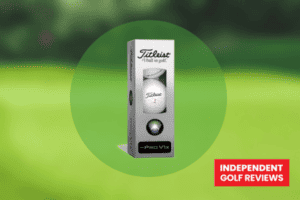
Titleist -ProV1x (Pro V1x Left Dash)

Best Premium Golf Balls for Distance

Titleist -ProV1x (Pro V1x Left Dash)

Jump To Details
Bridgestone Tour Red

Best Distance Golf Balls for Seniors

Bridgestone Tour B RX

Jump To Details
Srixon Q-Star UltiSpeed

Best Ladies Golf Balls for Distance

Srixon Q-Star UltiSpeed

Jump To Details
Titleist ProV1

Best Golf Balls for Distance AND Spin

Titleist Pro V1

Jump To Details
Bridgestone Tour Blue

Best Golf Balls for Distance AND Straight

Bridgestone Tour B XS

Jump To Details
Callaway Tour

Best Golf Balls for Distance AND Control

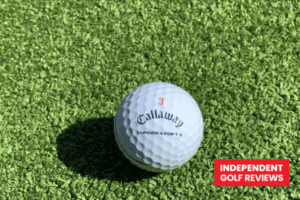
Callaway Chrome Tour

Jump To Details
Vice Pro+

Best Direct To Consumer Distance Golf Balls

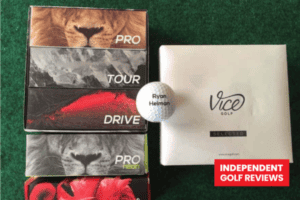
Vice Pro Plus

Jump To Details

In More Depth: Our TOp Picks

Wilson Staff Model X

Best Golf Balls for Distance Overall

Wilson Staff Model X

5

Check Price↗

Pros & Cons

  • Explosive ball speed off the face
  • Maintains velocity through wind
  • Exceptional greenside spin control
  • Durable cover withstands aggressive swing speeds
  • Premium feel rivals top competitor offerings
  • Higher price point than budget options
  • Firmer feel may not suit everyone

Expert’s Thoughts

I’ve tested the Wilson Staff Model X for three rounds plus multiple range sessions, and it’s completely changed my expectations for what a distance ball can deliver. Right away, I noticed the explosive speed off the face. The ball absolutely soars with this penetrating trajectory that just keeps climbing.

What really impressed me was how this ball doesn’t sacrifice anything for that distance. I can still work the ball when I need to shape shots into tight pins. Around the greens, the urethane cover provides legitimate tour-level spin. I’m stopping wedges within feet of where they land, and I can even zip back short irons on softer greens.

The compression feels perfect for my swing speed, being firm enough to maximize energy transfer but not rock-hard like some lesser distance balls. In windy conditions, this ball holds its line as well as anything else I’ve tested in this category over the years. 

Durability has been outstanding for a distance-specific offering. I’m getting 2-3 rounds from a single ball before the cover shows any meaningful wear. For players who want maximum distance without compromising on the finer aspects of ball performance, the Staff Model X delivers on every front.

Who It’s For

The Wilson Staff Model X is ideal for accomplished players with swing speeds above 100 mph who refuse to compromise distance for control. If you’re a low-to-mid handicapper seeking every available yard off the tee while maintaining workability and greenside performance, this ball deserves your consideration. It particularly benefits aggressive players who shape shots and demand responsiveness around greens.

MaxFli Tour X

Best Budget Golf Balls for Distance

MaxFli Tour X

5

Check Price↗

Pros & Cons

  • Remarkable distance at affordable pricing point
  • Soft feel appeals to wide handicap range
  • Excellent durability across multiple rounds played
  • Consistent flight patterns inspire confidence always
  • Strong greenside spin for price category
  • Slightly less workability than premium balls
  • Cover scuffs more easily than urethane

Expert’s Thoughts

Finding a ball that delivers top-tier performance without emptying your wallet is tough, but the Maxfli Tour X absolutely nails this balance. I started testing these after hearing buzz from playing partners and I’m genuinely impressed by what you get for the money.

Off the tee, I’m losing maybe 3-5 yards compared to balls costing twice as much. That’s a trade-off I’ll happily make given the price savings. The ball launches high with a strong, consistent flight that holds up even when I don’t catch it perfectly. My off-center strikes don’t get punished nearly as severely as with firmer distance balls.

The feel is surprisingly soft, almost buttery through impact. This isn’t some hard-to-feel distance rock. When I’m hitting approach shots, I get enough spin to hold greens without that ball checking up and zipping back like premium urethane models. It’s predictable, which is exactly what I need for consistent scoring.

I’ve also been impressed with how long these last considering the price point. I’m usually getting 18-27 holes before considering a switch, which makes the value proposition even better. The cover does show scuff marks sooner than most distance balls, but performance doesn’t seem to degrade significantly.

For recreational golfers and developing players, this ball offers remarkable performance. You’re getting 80-90% of what premium balls deliver at less than half the cost.

Who It’s For

Budget-conscious golfers who play frequently will love the Maxfli Tour X. Mid-to-high handicappers seeking distance and a soft feel without premium pricing find exceptional value here. If you lose balls regularly or simply want performance you can trust in without guilt over cost, this represents one of 2026’s smartest golf ball investments for the money.

Titleist Pro V1x Left Dash

Best Premium Golf Balls for Distance

Titleist Pro V1x Left Dash

5

Check Price↗

Pros & Cons

  • Maximum ball speed from revolutionary core
  • Lower trajectory optimized for distance seekers
  • Exceptional consistency across entire golf bag
  • Superior durability justifies premium investment cost
  • Trusted performance under tournament pressure conditions
  • Premium pricing limits accessibility for some
  • Lower flight may not suit everyone

Expert’s Thoughts

When Titleist released the Pro V1x Left Dash, I was skeptical about whether it could meaningfully improve on an already exceptional ball. After several rounds, I’m convinced this represents the pinnacle of premium distance performance.

The most noticeable difference is the trajectory. This ball flies lower and hotter than the standard Pro V1x, which translates to remarkable roll-out on firm fairways. The flight is absolutely piercing as it doesn’t struggle when dealing with crosswinds that would typically move my shots 10 yards offline.

What separates this from other distance-focused balls is the complete package. Yes, it bombs off the tee, but I’m not giving up anything with my irons or around the greens. The spin characteristics are dialed in perfectly. I can flight wedges high and soft or hit that low spinner that releases to the hole. The versatility is unmatched.

The consistency is what you’d expect from Titleist with every Left Dash performing identically, which builds tremendous confidence. When I stripe one down the middle, I know exactly where it’s landing and how it’s reacting. That top-flight predictability is worth its weight in gold during competitive rounds and a huge reason with PGA golfers love this golf ball.

Is it expensive? Absolutely. But if you’re serious about your game and want the absolute best distance ball money can buy, the Pro V1x Left Dash is worth every penny.

Who It’s For

Serious golfers and competitive players who demand absolute peak performance will appreciate the Pro V1x Left Dash. Low handicappers with faster swing speeds seeking maximum distance with unwavering consistency should strongly consider this premium option. If you compete regularly or simply want the finest distance ball available regardless of cost, this delivers championship-caliber results

Bridgestone Tour Red

Best Distance Golf Balls for Seniors

Bridgestone Tour B RX

5

Check Price↗

Pros & Cons

  • Perfect compression for slower swing velocities
  • Gradation technology maximizes energy transfer efficiently
  • Soft feel reduces strain during rounds
  • Impressive greenside control for distance category
  • Straight flight pattern aids accuracy greatly
  • Less ideal for very fast swingers
  • Slightly higher price than some options

Expert’s Thoughts

As someone whose swing speed has dropped a bit over the years, finding a ball that maximizes my distance without feeling like I’m hitting a rock has been challenging. The Bridgestone Tour B RX changed that equation completely for me.

The key is the compression as it’s engineered specifically for swing speeds in the 90-105 mph range, which is where I sit nowadays. The ball compresses beautifully at impact, creating this efficient energy transfer that I just wasn’t getting with firmer options. I’m back to distances I was hitting five years ago, which has been a huge confidence boost.

What really stands out is also how forgiving this ball is. When I catch one a bit thin or slightly off-center, I’m not losing 20 yards like I would with tour-level balls designed for faster swingers. The gradation technology in the core seems to help maintain ball speed across a wider range of impact qualities.

The feel is silky smooth, as it’s soft enough that my hands don’t ache after a full round, but not mushy. Around greens, I’m getting plenty of spin to control my short game. I can bump-and-run or fly it high depending on what the shot requires.

The straight flight has been another pleasant surprise. I’m not worried about hitting extreme hooks or slices with this version of the Tour B line of golf balls. This ball is designed to fly straight, which means more fairways and better approaches.

Who It’s For

Senior golfers and players with moderate swing speeds between 85-105 mph will find the Tour B RX perfectly matched to their game. Those experiencing distance loss due to age or seeking maximum yardage with comfortable feel should test this ball. It’s also excellent for weekend warriors prioritizing accuracy and consistency over raw power.

Srixon Q-Star UltiSpeed

Best Ladies Golf Balls for Distance

Srixon Q-Star UltiSpeed

5

Check Price↗

Pros & Cons

  • Low compression optimized for slower speeds
  • High launch aids carry distance significantly
  • Soft feel reduces vibration and discomfort
  • Vibrant color options improve visibility easily
  • Affordable pricing encourages frequent replacement cycles
  • Not suitable for high swing speeds
  • Less spin than premium women’s options

Expert’s Thoughts

I’ve tested numerous golf balls marketed toward women, and the Srixon Q-Star UltiSpeed genuinely stands apart from the competition. This isn’t just a men’s ball in a pink box as it’s thoughtfully engineered for how most women golfers swing.

The low compression is the secret sauce here. At impact, the ball feels incredibly soft and responsive, which makes every shot more enjoyable. I’m getting this beautiful, high launch that maximizes carry distance. On holes where I used to come up short, I’m now reaching greens in regulation or getting much closer for easier chips.

What I particularly appreciate is how this ball performs across all clubs in my bag. My driver launches high with minimal spin, my irons fly straight with good trajectory, and my hybrids produce consistent, repeatable results. There’s no compromise required.

The feel around greens is softer than I expected for a distance-focused ball. I can gauge how hard to hit chips and pitches with confidence. While it doesn’t zip back like tour balls, it provides enough control for recreational play.

Visibility is another win. The available colors, including bright yellow and orange, make tracking shots infinitely easier. I’m not losing balls in light rough anymore because I can actually see where they land.

At this price point, I don’t feel guilty replacing balls frequently, which means I’m always playing with fresh equipment that performs optimally.

Who It’s For

Women golfers with swing speeds under 90 mph seeking maximum distance with exceptional feel will excel with the Q-Star UltiSpeed. Players wanting high-launching shots that carry farther while maintaining soft feedback and visibility should test this ball. It’s particularly valuable for improving golfers focused on reaching greens more consistently and enjoying the game.

Titleist ProV1

Best Golf Balls for Distance AND Spin

Titleist ProV1

5

Check Price↗

Pros & Cons

  • Exceptional spin control on approach shots
  • Consistent distance across entire bag always
  • Soft feel preferred by touring professionals
  • Unmatched quality control ensures perfect spheres
  • Proven performance inspires complete confidence daily
  • Premium pricing affects budget-conscious players significantly
  • Softer compression not ideal for slowest swings

Expert’s Thoughts

The Titleist Pro V1 has been my gamer for years, and the latest version reinforces exactly why this ball dominates tour golf. While it’s renowned for spin and control, people often overlook just how much distance this ball provides.

Off the tee, I’m getting penetrating ball flight that seems to hang in the air forever before landing with significant roll. The aerodynamics have been refined to reduce drag, and it’s noticeable as I’m carrying hazards I used to lay up in front of. The consistency is remarkable; every drive with identical swing speed goes nearly the same distance.

Where this ball truly shines is combining that distance with workability. I can hit a high cut that lands softly or a low draw that releases to the hole. The spin rates are exactly where I need them for every shot. Approach shots check up beautifully on receptive greens, giving me legitimate birdie opportunities.

The short game performance is legendary for good reason. I can open my wedge and hit those high spinners that dance backward, or I can flight it lower for more release. Having this versatility without sacrificing distance is what separates good balls from great ones.

The feel is sublime with that classic Pro V1 click through impact telling you immediately when you’ve struck it pure. Even off-center strikes feel relatively soft, which is easier on the hands during long practice sessions. Quality control is flawless as I’ve never found a Pro V1 that felt different from the others.

Who It’s For

Accomplished players seeking the optimal balance between maximum distance and greenside spin will find the Pro V1 unmatched. Low handicappers who work the ball and demand precision on approaches benefit most from this legendary ball. If you compete seriously or simply want complete performance across every aspect of the game, the Pro V1 remains golf’s gold standard.

Bridgestone Tour Blue

Best Golf Balls for Distance AND Straight

Bridgestone Tour B XS

5

Check Price

Pros & Cons

  • Seamless dimple technology promotes straight flight
  • Forgiveness on mishits maintains consistent distance
  • Soft feel suits wide range players
  • Excellent value for tour-level performance delivered
  • Low driver spin reduces hooks and slices
  • Not enough spin for crafty shotmakers
  • Not optimized for very high speeds

Expert’s Thoughts

As someone who used to fight a frustrating two-way miss off the tee I was looking forward to testing the Bridgestone Tour B XS. The difference in dispersion was immediate and impressive with my drives finding the center of fairways with more regularity.

The secret is in the dimple design and core construction. This ball produces incredibly low spin with the driver, which means my typical mistakes don’t turn into disasters. That slice I’d occasionally hit would curve 40 yards into the trees with my old ball; with the XS, it’s a gentle fade that stays in play. Same story with hooks as they’re now controlled draws.

Distance-wise, I’m not giving up any yardage to achieve this accuracy. The low spin actually helps me in most conditions because the ball bores through wind and maximizes roll. On firm fairways, I’m getting remarkable distance because the ball just keeps running after landing. I’ve had several drives where playing partners asked what I hit because I was 20+ yards past them.

The feel is fantastic as they’re soft enough to enjoy but with enough firmness to feel controlled. Approach shots fly straight and predictable, which has dramatically improved my greens in regulation percentage. I’m hitting more targets because I know exactly where this ball is going.

Around greens, there’s adequate spin for most situations. I’m not zipping wedges back like pros, but I have plenty of control for recreational golf. The predictability extends to putting, where the soft feel helps with distance control.

Who It’s For

Golfers battling accuracy issues who need straighter drives without distance penalties will love the Tour B XS. Mid-handicappers seeking more fairways and consistent ball flight benefit tremendously from this forgiving design. If you prioritize keeping the ball in play while maintaining competitive distance, this ball delivers exactly what you need for lower scores.

Callaway Tour

Best Golf Balls for Distance AND Control

Callaway Chrome Tour

5

Check Price↗

Pros & Cons

  • Exceptional workability for shaping shots intentionally
  • High ball speed across entire clubface
  • Responsive greenside performance for scoring shots
  • Durable construction withstands aggressive play styles
  • Consistent performance in varying weather conditions
  • Firmer feel may not suit preferences
  • Premium pricing tier limits accessibility somewhat

Expert’s Thoughts

When I need to shape shots and control trajectories while still bombing drives, the Callaway Chrome Tour is my absolute go-to. This ball gives me everything I need to play aggressive, strategic golf without compromising anywhere.

The control starts with the driver. I can move the ball both ways on demand, hitting draws around doglegs or fades into tight fairways. The spin rates are perfectly balanced; low enough to maximize distance but high enough to shape shots intentionally. When I pure one, the ball explodes off the face with this incredible energy that translates to serious yards.

With irons, the control becomes even more apparent. I can flight shots high or low, work them left or right, and land them precisely where I’m aiming. The ball responds instantly to how I deliver the clubface. This feedback loop has actually improved my ball-striking because I know exactly what the ball is going to do based on my swing.

Greenside is where this ball really earns its premium price. The urethane cover grabs grooves aggressively, producing tour-level spin. I’m stopping wedges near impact craters and occasionally spinning them back when conditions allow. Having this kind of control around greens makes me fearless attacking pins.

The durability impresses me too as I’m getting multiple rounds from each ball without noticeable performance issues. The cover shows some cosmetic wear, but it keeps performing at a high level much longer than softer alternatives.

Who It’s For

Skilled ball-strikers who shape shots and attack pins aggressively need the Chrome Tour’s combination of distance and control. Single-digit handicappers seeking workability without sacrificing yards will appreciate this premium offering. If you demand tour-level performance across all aspects, distance, spin, feel, and durability, this ball delivers complete excellence for competitive play.

Vice Pro+

Best Direct To Consumer Distance Golf Balls

Vice Pro Plus

5

Check Price↗

Pros & Cons

  • Tour-level performance at reduced pricing model
  • Excellent distance with driver and woods
  • Soft feel rivals major brand offerings
  • Customization options add personal flair easily
  • Direct shipping eliminates retail markup completely
  • Must order online, no immediate retail
  • Shipping times vary by location significantly

Expert’s Thoughts

I was skeptical about buying golf balls online without hitting them first, but the Vice Pro Plus completely won me over. After two months of exclusive play, I’m convinced this represents the best value in premium golf balls today.

Distance-wise, these compete directly with balls costing $20-30 more per dozen. I’m getting explosive speed off the tee with a strong, penetrating flight that holds up in the wind. My carry numbers match what I was getting with ProV1x, which shocked me given the price difference. The aerodynamics seem dialed in perfectly for maximum efficiency.

What really impressed me was the complete performance package. This isn’t a one-dimensional distance bomb as it’s a legitimate tour ball that happens to cost less. Approach shots spin appropriately for the conditions, and I have excellent control over trajectory and shape. I’m working the ball both ways with confidence.

The short game performance exceeds my expectations. The cast urethane cover produces plenty of spin on wedges and chips. I’m getting that satisfying grab-and-check action on receptive greens. Putting feels fantastic too, soft but responsive, with great feedback through impact.

Ordering online initially felt weird, but the process is simple and balls arrive quickly. The customization options are fun too.; I added my initials and a custom number, which makes them feel special. The lack of retail markup means you’re getting premium performance at mid-tier pricing.

Who It’s For

Value-oriented players seeking tour-level distance and performance without premium pricing should explore Vice Pro+. Golfers comfortable ordering online who play frequently enough to buy by the dozen benefit from exceptional savings. If you want customization options, premium performance, and smart pricing, this direct-to-consumer model delivers outstanding value and quality.

How We Tested These Golf Balls For Distance

To understand how a golf ball truly performs, we evaluate it across a range of swing speeds and real-world conditions. We conduct testing to see not only how far a golf ball can go, but how reliably it produces that distance for different types of players.

Ball Speed and Energy Transfer: We measure peak ball speed and how consistently it maintains speed across a series of strikes. Strong distance hitting requires both high speed and minimal drop-off on slight mishits.

Launch and Spin Profile: A high launch and low spin is the sweet spot for maximizing carry. We test every ball with the driver and long irons to see how well it achieves that balance.

Peak Height and Overall Flight Shape: Peak height lets you understand how efficiently a ball stays in the air. A ball that reaches a playable apex and maintains lift will typically produce more carry, especially for moderate swing speeds.

Carry vs. Total Distance: Some balls generate most of their yardage through carry, while others rely on roll. We evaluate both, noting which designs suit firm fairways or softer course conditions.

Performance Across Swing Speeds: Ball compression is really important for distance shots. We test balls at multiple swing speeds to see how well they compress, launch, and spin for different types of golfers. A ball that excels at 110 mph might behave very differently at 90 mph.

Wind Stability and Dispersion: An extra 30 yards doesn’t matter much if the ball doesn’t stay in play. We assess how each ball handles winds and whether it maintains a predictable flight.

Join The GOLF CLub

Get insider access & stay up to date with the latest releases in golf

You may unsubscribe from the newsletters at any time.

How to Choose The Best Golf Balls For Distance

Choosing a golf ball for distance starts with understanding its construction and how that design interacts with your swing. Everyone wants more yardage. The way that you generate it depends on how the ball responds at impact. Here are the factors that influence distance and how to evaluate them when selecting the right ball for your game.

Core Compression

Compression describes how much the ball deforms when the club hits it. The core compression affects how efficiently it transfers energy from the clubface. Higher-compression balls are designed for faster swing speeds because they require more force to compress them fully. If you’re a high-speed player, a high-compression core will make the ball rebound quickly and produce maximum speed.

Golfers with moderate or slower swings can benefit from lower-compression balls. These balls compress more easily. This lets you generate more ball speed, even if you lack Tour-level power. The key is matching compression to your swing. If a ball is too firm for your speed, it won’t compress enough and will cost you distance. If a ball is too soft, it may over-compress and lose energy.

Spin Profile

Spin is a double-edged sword when it comes to distance. With the driver, too much ball spin will create extra lift and drag. This will cause your shots to climb and then stall. Too little spin can lead to a flat trajectory that doesn’t stay in the air long enough. The best distance balls aim for a low-spin profile off the tee, which produces a penetrating flight that can hold its line and carry efficiently.

It’s important to remember that spin is club-dependent. A ball that produces low spin with the driver might still offer enough spin with irons and wedges for good control. Watch how the ball behaves with the driver first. If your current ball balloons in the wind or seems to rise too steeply, a lower-spin option may unlock more yardage for you.

Dimple Pattern & Cover Interaction

A ball’s aerodynamics are largely determined by its dimple pattern. The depth and arrangement of dimples influence how air flows around the ball. A dimple pattern that’s properly designed will help the ball maintain lift through its apex and reduce drag on the way down.

The cover material also plays a role in how the dimples perform. Some covers will interact with the air differently and alter how the ball climbs and descends. When choosing a distance ball, look for one that produces a stable, consistent flight. Do you tend to play at windy courses? A ball with a more penetrating aerodynamic profile can help you maintain distance even when the weather isn’t cooperating.

Launch Characteristics

A higher launch paired with lower spin is the ideal combination for maximizing carry. Many distance balls are engineered to help golfers achieve this launch window, especially players who struggle to get the ball airborne with the driver.

Some balls naturally launch higher due to softer cores and more responsive covers. Others produce a flatter, more penetrating flight that suits faster players. Think about your typical ball flight off the tee. If you tend to hit low, flat drives, a higher-launching ball can help you pick up carry. If you already launch the ball high, a more penetrating option could give you more total distance.

Cover Material

Most modern golf balls use either ionomer or urethane covers. Ionomer covers are firmer and more durable. They produce lower spin with the driver, which is an advantage for distance. They tend to have a firmer feel at impact, which some players prefer for tee shots.

Urethane covers feel softer and offer more greenside control. However, they generate more spin off the driver. That doesn’t mean urethane balls can’t be hit long distances. Many can and are. But if your primary goal is maximizing distance, an ionomer cover will give you the best combination of low spin and high speed.

Construction Type

Golf balls fall into two categories: two-piece and multi-layer designs. A two-piece ball features a large core and an ionomer cover. These are built for distance and straight flight. They tend to produce the low spin and high launch that players want for maximum yardage.

Multi-layered balls have three to five layers and offer more nuanced performance. They can still be hit long, but they’re built to provide a mix of distance and control. Faster players often use these because they can activate the additional layers of the ball at higher swing speeds. When choosing between the two, think about whether you value pure distance or a more balanced performance profile.

Swing Speed Matching

Matching a ball to your swing speed is one of the most overlooked aspects of choosing a distance ball. Everything about the ball can behave differently depending on how much force you generate. If you don’t know your swing speed, many launch monitors and fitting bays can measure it quickly. Once you know your number, you can narrow your options to balls designed for your speed range.

Roll-Out vs. Carry Bias

The course conditions that you play on can help guide your decision. Different balls generate distance in different ways. If you play on courses with firm fairways, a lower-spinning ball that runs when it hits the ground may give you more total distance. If a course is soft or you struggle to generate height, a higher-launching ball that prioritizes carry may be the better fit.

Wind Performance

Nothing can expose weaknesses in a ball’s aerodynamics faster than wind. A ball that spins too much may balloon in a headwind. A ball that spins too little will struggle to stay airborne. The best distance balls maintain a stable and predictable flight in varying conditions. If you regularly play in windy areas, look for a ball known for a penetrating trajectory. It will be more wind-resistant. A stable flight not only adds distance but also keeps you in more fairways.

FAQs

Do distance golf balls actually make a noticeable difference?

Yes. A well-fitted distance ball can add meaningful yardage to your shots. The gains will vary by player. Golfers with moderate swing speeds often see the biggest improvement because the right compression helps them generate more carry.

Should I choose a softer or firmer ball for more distance?

Most distance-oriented balls use an ionomer cover. These naturally produce less greenside spin than urethane covers. If you’re prioritizing distance above everything else, that’s probably an acceptable trade-off. If you rely heavily on spin for short-game control, a balanced performance ball might be a better fit.

How much does swing speed matter when choosing a distance ball?

Your swing speed is one of the biggest factors. A ball that’s too firm for your speed won’t compress properly, costing you ball speed and carry. A ball that’s too soft for a fast swing might compress too much and lose energy. Knowing your approximate driver speed is the quickest way to narrow your options.

Are two-piece balls always better for distance?

Two-piece balls are designed for maximum distance and durability. However, multi-layer balls can be hit just as long by expert players with higher swing speeds. Compression, aerodynamics, and spin profile all play a role.

Can a higher-launching ball help me hit it farther?

If you struggle to get the ball airborne, it can absolutely help! A higher-launching ball can add significant carry distance, especially for moderate-swing speeds. If you already launch the ball high, you might benefit more from a lower-launching, lower-spin option that will increase your roll-out.

How important is wind performance when choosing a ball?

Very. If a ball balloons or wobbles in the wind, it’s going to lose distance and accuracy. If you often play in breezy conditions, look for a ball with a stable, penetrating flight. Consistency in the wind can matter as much as raw yardage.

Should I choose a ball based on the courses I play?

Yes. Fast fairways are going to reward lower-spin balls that can run. Softer or wetter course conditions favor balls that maximize carry. Matching your ball to your typical playing environment can help you get the most distance out of your swing.

Ryan Heiman – Founder and Head Author of Independent Golf Reviews
Founder of Independent Golf Reviews, Ryan plays to about a 3 handicap and writes most of the articles about the equipment, accessories and travel. Now living in Tucson, AZ he enjoys year round golf. He’s been writing reviews here and for other websites for over 10 years now. He has worked with every brand over that time.
Learn more…