Irons review · Blades
Mizuno Pro S-1 Irons Review
Pure muscle-back blades that are easier to hit than they look

How we tested: 5 rounds, on course and in the IGR Carl’s Place DIY simulator (FlightScope Mevo+ Pro), with a 4-iron, 6-iron and PW. Ryan is a 3 handicap who swings his driver about 110 mph. How we test
Our verdict
The S-1 is a soft-feeling forged muscle-back that was easier to hit than I expected from a blade. Crisp turf contact, a stable launch and shot-shaping control made the three clubs I tested hard to take out of the bag.
Pros
- Grain Flow Forged HD from 1025E carbon steel with a copper underlay for a soft, crisp feel
- Flatter camber, sharper leading edge and more bounce give crisp turf contact and a small divot
- Channel above the muscle gives an easy launch with a strong trajectory
- I hit them straight easily and could shape the flight
- Compact head cuts through the rough
- Right-hand and left-hand sets, with more than 40 shaft options
Cons
- A pure muscle-back blade, so it won’t forgive misses
- Traditional lofts, from 24° in the 4-iron to 46° in the PW, give less built-in distance than strong-lofted irons
- Not for high handicappers, according to my testing
Best forBetter ball strikers who want a forged blade with a soft feel and control
Skip it ifIf you’re a high handicapper or you strike the ball inconsistently, a cavity-back iron will be easier to hit.
- 2nd Swing Check used price See it at 2nd Swing: Mizuno Pro S-1 Irons
- Callaway Pre-Owned Check used price See it at Callaway Pre-Owned: Mizuno Pro S-1 Irons
Who it’s for
- Swing speed
- Fast 105+ mph (a good fit) Average 90–105 mph (a good fit) Senior under 90 mph (not ideal)
- Handicap
- 0–10
- Ball flight
- LowMidHigh
- Spin
- LowMidHigh
- Forgiveness
- Shot shaping
In this review
The Mizuno Pro S-1 Irons are forged muscle-back blades for better ball strikers, and they were easier to hit than I expected from a blade. A flatter camber, sharper leading edge and more bounce gave me crisp turf contact, and a channel cut above the muscle gave a controlled launch. I tested a 4-iron, 6-iron and PW over five rounds, and I’m seriously considering buying the rest of the set.
Many golfers take one look at a blade and say, “I can’t hit that.” I agree that most high handicappers shouldn’t play blades, but if you can strike the ball, this review is for you. I also hit the irons in the IGR Carl’s Place DIY simulator with a FlightScope Mevo+ Pro launch monitor.
Forged feel
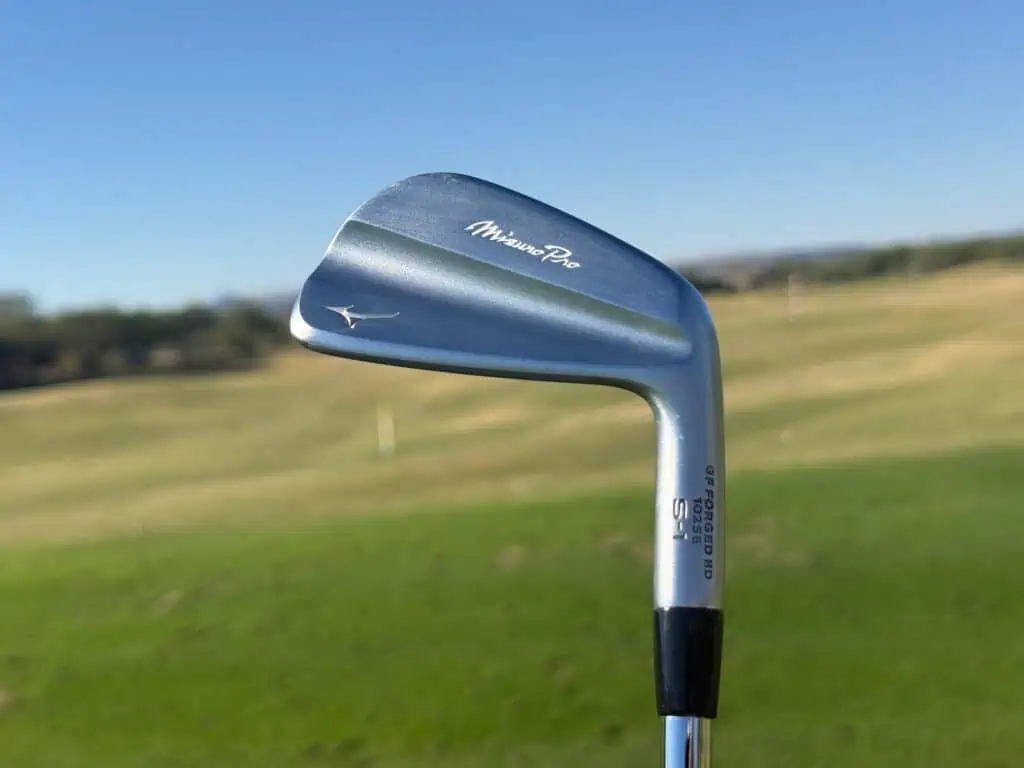
Mizuno’s tagline is “Nothing Feels Like a Mizuno,” and a well-struck S-1 backs it up. Mizuno forges these irons in Hiroshima, Japan, with its Grain Flow Forged HD process, from a single billet of 1025E Pure Select Mild Carbon Steel. A copper underlay beneath the chrome plating softens vibration and keeps the feedback crisp, according to Mizuno.
The soft feel is a big part of the appeal, but it wasn’t what won me over. The performance of the S-1 did that.

Sole design and turf interaction
Most golfers still overlook the sole grind of their irons. What the club does with the ground at impact has a lot to do with how well you strike the ball, and we talk about it with wedges far more than with irons.
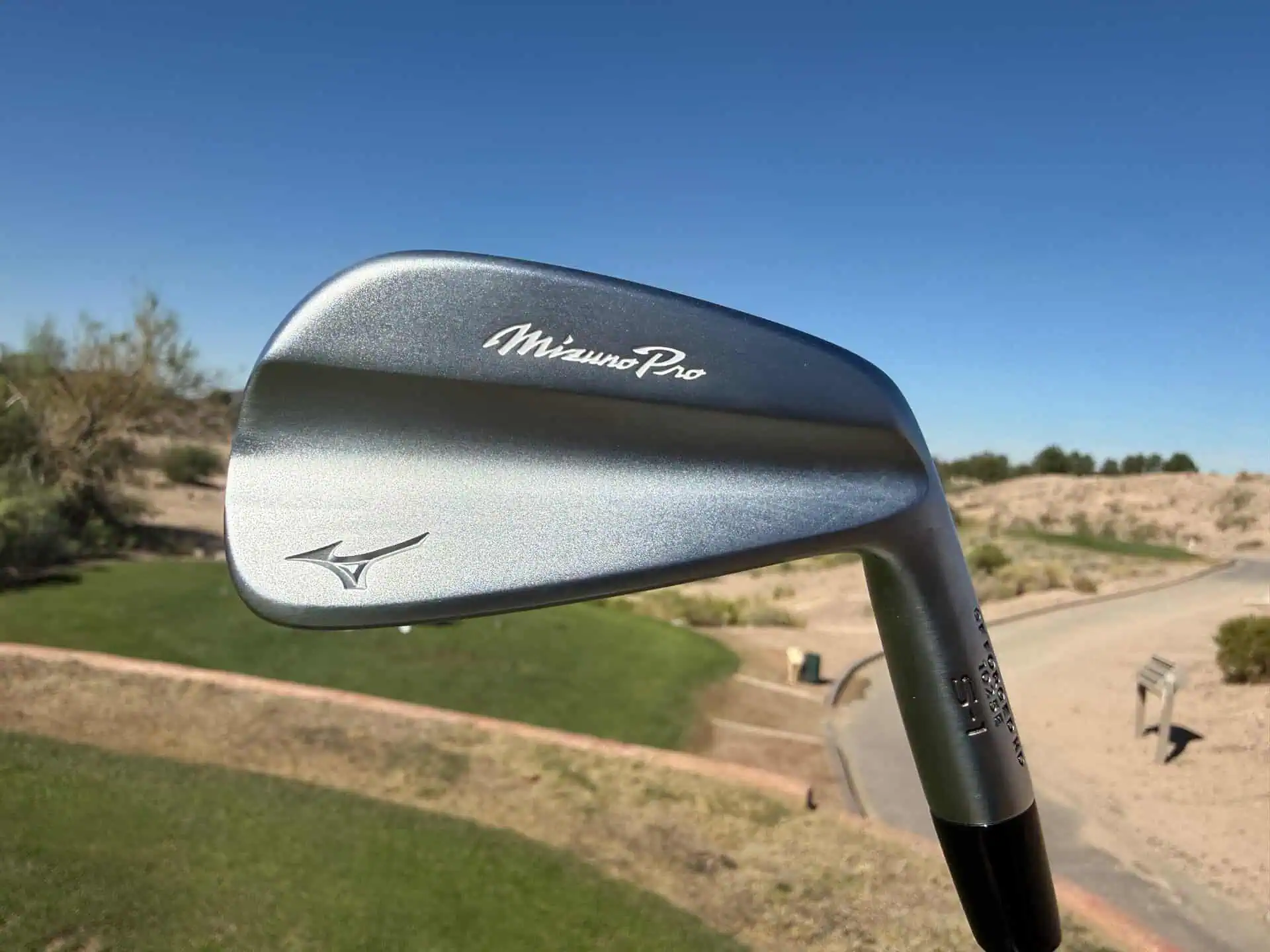
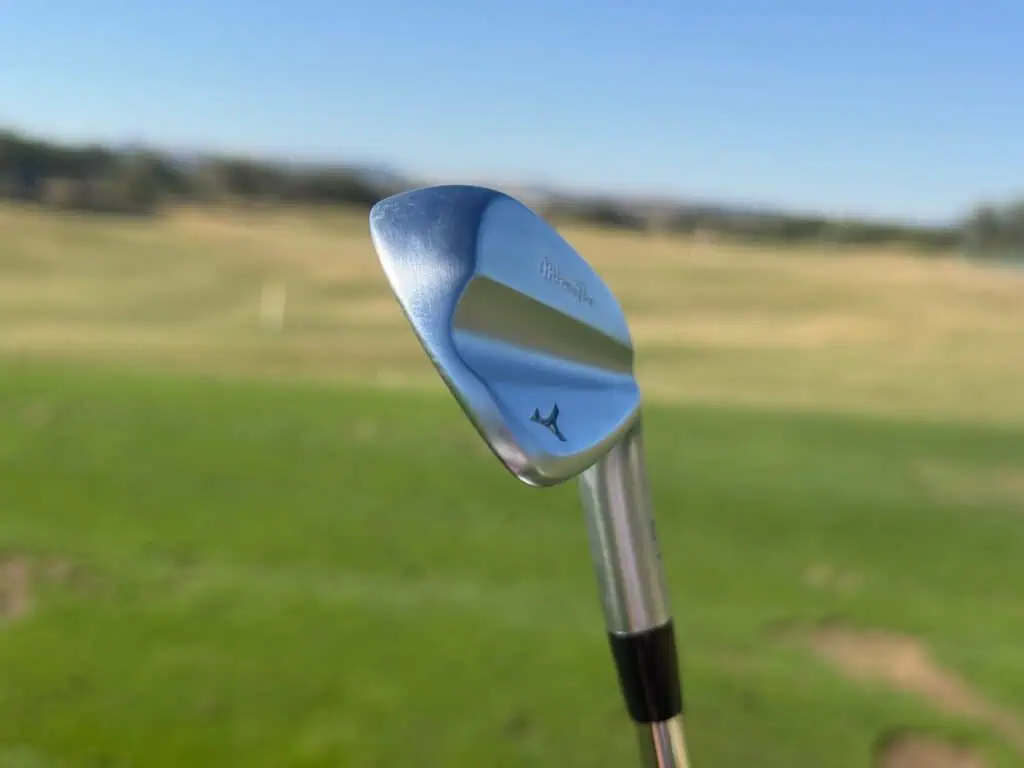
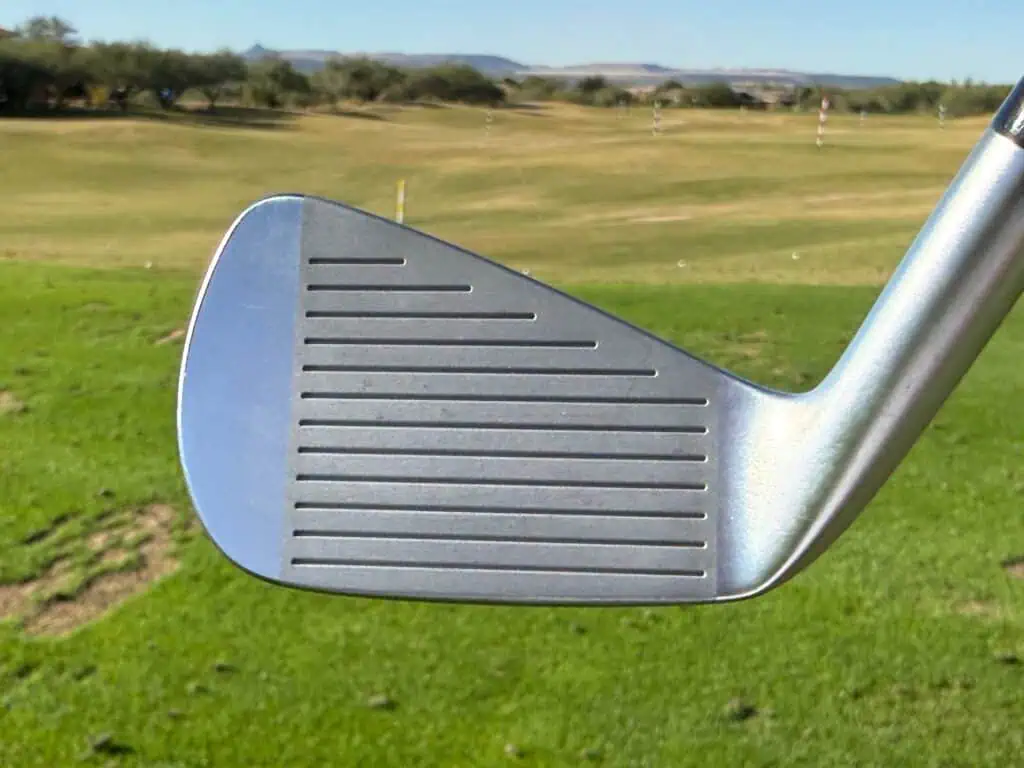
The S-1 has a flatter camber profile, a sharper leading edge and more bounce, which Mizuno refined with tour input. Those three features are a big reason I hit these irons so well. Impact was crisp, the club picked the ball cleanly and took a small divot.


Launch, center of gravity and shot shaping
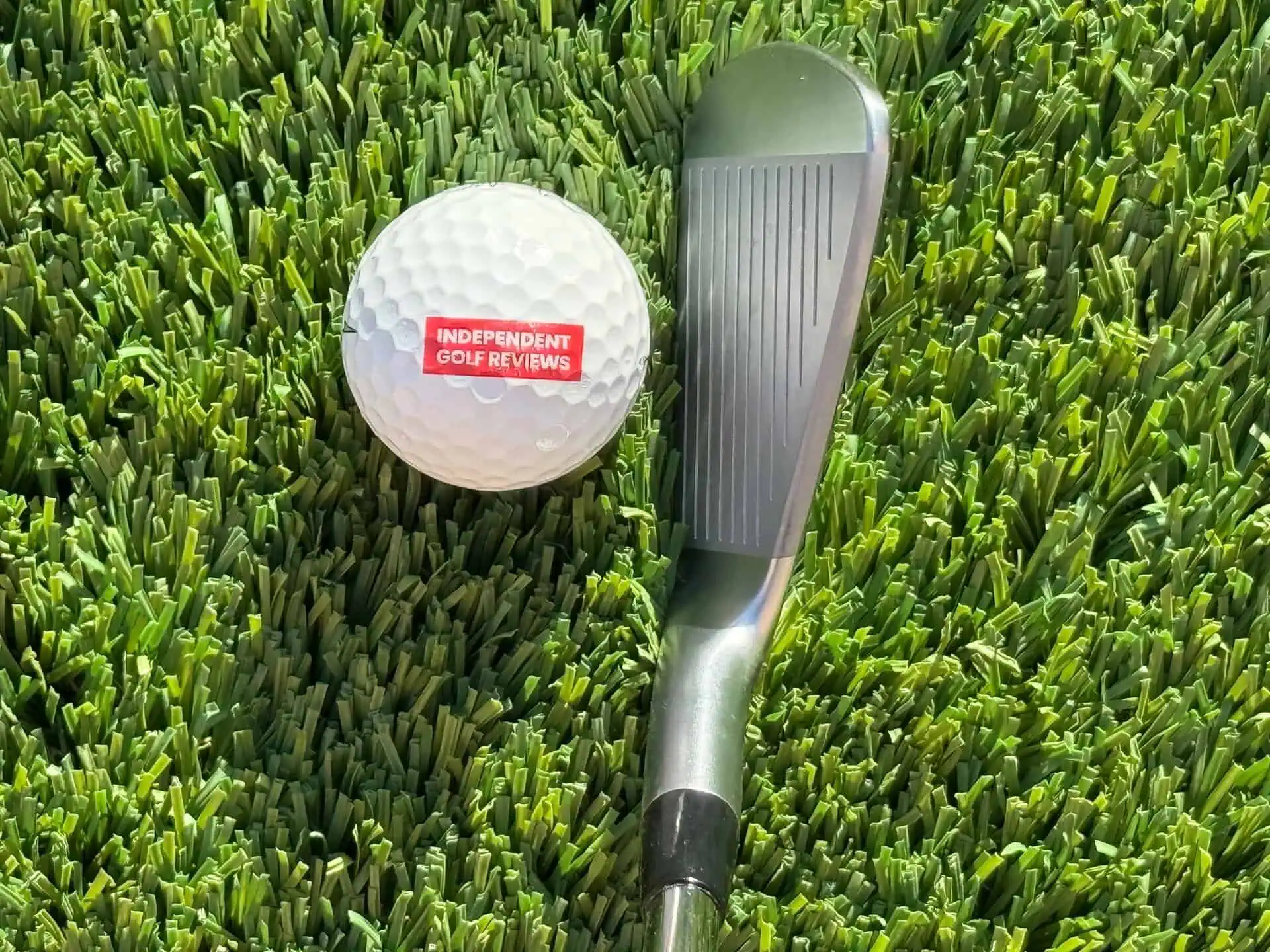
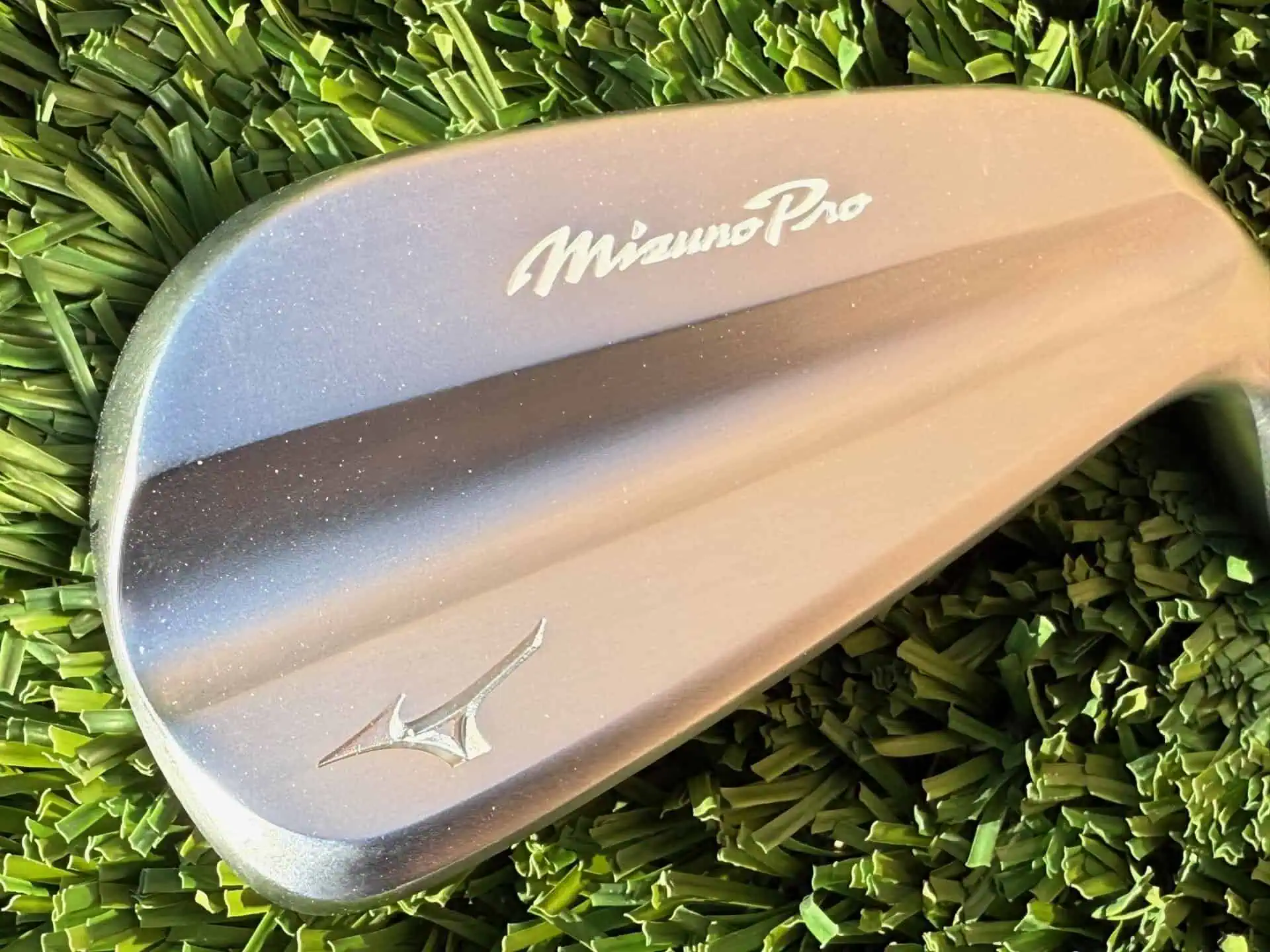
Mizuno cut a channel above the muscle to reposition mass behind the face, which gives a more stable vertical center of gravity (CG, the head’s balance point). On a blade the design change looks subtle, but even small changes to the CG affect performance.
The S-1 irons are easy to launch and still fly on a strong trajectory for good distance. I hit them straight with ease, and I could control the flight and shape the ball nicely.

On-course performance
I tested a 4-iron, 6-iron and PW. I couldn’t hit every shot of a round with just those three clubs, but every chance I got to hit one of them it was easy, straight and consistent. If I had a full set, I don’t think they’d leave my bag.
I had mine built with Nippon ProModus3 Tour 120 Stiff shafts, which launch higher and still give great feel and control. Even with more traditional lofts, they hit my ideal distances for each iron. The compact head is a butter knife behind the ball, and it cuts through the rough easily.


Should you buy it?
Yes, if you strike the ball well and want a forged blade with a soft feel, crisp turf contact and shots you can shape. The Mizuno Pro S-1 Irons gave me consistently good shots from a head that looks great at address.
Skip them if you’re a high handicapper or you don’t strike the ball consistently, because a blade won’t forgive misses. Our golf irons guide covers more forgiving options.
How it compares
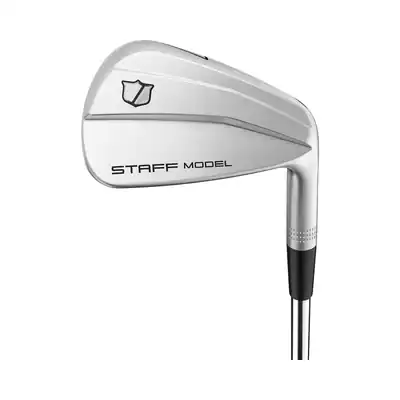
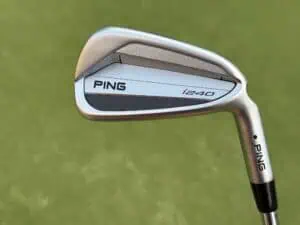
Questions golfers ask
Are the Mizuno Pro S-1 irons forgiving?
They’re pure muscle-back blades made for better ball strikers, so they ask for solid contact. For a blade they were easy to hit in my testing, and the 4-iron, 6-iron and PW felt easy, straight and consistent. Most high handicappers still shouldn’t play blades.
How do the Mizuno Pro S-1 irons feel?
Soft and crisp. Mizuno forges them with its Grain Flow Forged HD process from a single billet of 1025E Pure Select Mild Carbon Steel, and a copper underlay beneath the chrome plating softens vibration while keeping the feedback crisp.
What lofts and shafts do the S-1 irons come with?
The set runs 4-iron through PW, from 24° to 46°. Mizuno offers more than 40 shaft options, including KBS, True Temper Dynamic Gold, Nippon N.S. Pro and Aerotech Steelfiber. I had mine built with Nippon ProModus3 Tour 120 Stiff shafts.
Can you shape shots with the Pro S-1 irons?
Yes. I easily hit them straight, but I could also control the flight and shape the ball nicely. A channel cut above the muscle moves mass behind the face for a stable launch, and the launch is fairly high with a strong trajectory.
Photos 15
About the author

Ryan Heiman founded Independent Golf Reviews in 2011 and is its head reviewer. A 3-handicap based in Tucson, Arizona, he has written more than 1,500 reviews of golf equipment, accessories and courses, played more than 600 courses, and worked with virtually every major golf brand over 15 years.
More about RyanMore irons reviews
-
 Srixon ZXi4 Irons Review
-
 Srixon ZXi5 Irons Review
-
 Honma TW Tour V Irons Review
-
 Callaway Apex Ai150 Irons Review
-
 PROTOCONCEPT C01.5TH Forged Hybrid Iron Review
-
PROTOCONCEPT C01 TB ic Forged Irons Review