The Best Putters of 2026
The right putter starts the ball on your line and makes speed easier to judge. Our three testers, from a 3-handicap to an 18-handicap senior, rolled 2026’s best putters indoors and on real greens, and these are the 12 we’d buy, each matched to the stroke it suits.

Tested and written by Ryan Heiman, Founder and Head Reviewer
Best Putter Overall: TaylorMade Spider Tour X Putter

- Three real golfersA 3-handicap, a 12-handicap and an 18-handicap senior putted with every pick.
- Tested on real greensEach of our 12 picks gets five or more rounds on the course, not just time on a putting mat.
- Judged on what mattersWe rate start line, speed on long putts, short-putt confidence, feel and aim.
- Fully independentNo brand can buy a spot on this list. Every pick is earned in testing.
Independent Golf Reviews is reader-supported. When you buy through links on our site, we may earn a commission. Learn more
Our top picks
The TaylorMade Spider Tour X is the best putter for most golfers: stable, easy to aim and built in three necks to suit your stroke. Blade fans should get the PING PLD Milled Anser 30, and mallet fans the Scotty Cameron Phantom 9.2R. If you miss short putts, the zero-torque L.A.B. Golf DF3i is the most stable putter here, and the $199.99 Wilson Infinite Zero Torque Lakeview is the best value.
What kind of golfer are you?
-
Best Putter Overall
TaylorMade Spider Tour X Putter
The best putter for most golfers: stable, easy to aim and built in three necks
-
Best Blade Putter
PING PLD Milled Anser 30 Putter
PING’s classic Anser, forged and fully milled, with toe hang for a slight arc
-
Best Mallet Putter
Scotty Cameron Phantom 9.2R Putter
Mallet stability with a blade’s toe flow, in Scotty Cameron’s softer, rounded Phantom shape
-
Most Forgiving Putter (High MOI)
The most stable putter we tested, with a firmer insert that helps you reach the hole
-
Best Zero-Torque Putter
Zero-torque stability in L.A.B.’s most traditional-looking mallet, designed with Adam Scott
-
Best Putter for a Straight Stroke
Odyssey Ai-DUAL Square 2 Square #7 Putter
Zero-torque balance in Odyssey’s classic #7 shape, built for a straight-back-and-through stroke
-
Best Putter for an Arc Stroke
Scotty Cameron Studio Style Newport 2 Putter
The classic arc-stroke blade, refined with a soft carbon steel face insert
-
Best Budget Putter
Wilson Infinite Zero Torque Lakeview Putter
Real zero-torque putting for $199.99, about half what most zero-torque putters cost
-
Best Putter for Beginners
Cleveland HB Soft 2 Black Retreve Putter
A forgiving, face-balanced mallet that keeps mishits rolling the right distance, for $199.99
-
Best Premium Milled Putter
A fully milled stainless fang mallet with a face built for even distance control
-
Best Putter Under $100
A stable mallet from a major brand for $69.99, ideal for new and casual golfers
-
Most Underrated Putter
A forged, wide-body blade with premium feel for $299.99, in two necks


Our picks in detail
Each review below explains the problem the putter solves, the stroke it suits and who should skip it.
Our IGR score, out of 5, sums up how each putter did in our testing for the golfers it’s made for.
Best Putter Overall

TaylorMade Spider Tour X Putter
Most golfers need two things from a putter: stability on short putts and an easy way to aim. The Spider Tour X gives you both, and its three necks let it fit almost any stroke. At $349.99, it’s the putter we’d recommend to the most golfers.
Why we picked it
Stability. The Spider shape puts weight far back and out in the wings, so the head twists less when you catch a putt off the toe or heel. Those putts hold their line and keep more of their speed. It’s about as stable as a traditional mallet gets, and unlike a zero-torque putter, it still feels normal in your hands.
Three necks. This is why it’s our top pick. The double bend is face-balanced for a straight stroke. The L-neck, Scottie Scheffler’s setup, has 21° of toe hang for a moderate arc, and the small slant has 30° for a stronger one. One proven head can be matched to almost any stroke, and all three necks come in left-handed.
Proven, and fairly priced. Spider Tour X putters won 11 PGA Tour events in 2026 through the Tour Championship, and Rory McIlroy won back-to-back Masters with one. The 2026 version adds a torched finish modeled on McIlroy’s own putter and a white Pure Roll insert that feels soft and quiet. At $349.99, it costs about $150 less than most premium mallets.
Who it’s for
Most golfers who want one putter that does everything well, golfers who struggle to aim, and players with any stroke, since the three necks cover straight strokes and arcs.
Look elsewhere if: your short putts miss because the face turns at impact; the zero-torque L.A.B. Golf DF3i is more stable. If you love a classic blade, get the PING PLD Milled Anser 30.
Our test numbers
Ryan, 3 handicap, Fast swing (110 mph)
- Made from 6 feet
- 8 of 10
- 30-foot putts, left from hole
- 1.9 ft avg
- Start line off target
- 0.6° avg
Tester 2, 12 handicap, Average swing (95 mph)
- Made from 6 feet
- 7 of 10
- 30-foot putts, left from hole
- 2.6 ft avg
- Start line off target
- 0.8° avg
Tester 3, 18 handicap, Senior swing (80 mph)
- Made from 6 feet
- 6 of 10
- 30-foot putts, left from hole
- 2.9 ft avg
- Start line off target
- 0.9° avg
Where to buy
Prices update daily.
Best Blade Putter

PING PLD Milled Anser 30 Putter
The Anser is one of the most copied shapes in golf, and the PLD Milled Anser 30 is PING’s best version of it. A longer neck gives it 30° of toe hang, less than a standard Anser, so it suits the slight arc most golfers have. It feels crisp, sets up beautifully and comes in left-handed.
Why we picked it
Toe hang that fits more golfers. A standard Anser has strong toe hang, which suits a strong arc. PING gave the Anser 30 a longer hosel that sets the toe hang at 30°, and it rates the putter for a slight arc. That’s the stroke most golfers have, so it suits far more players than a standard blade while keeping the classic Anser look.
Feel. PING forges the head from 303 stainless steel, then mills it for more than four hours. The face has a shallow milling pattern, firmer than the deeper milling on other PLD models, so you get a crisp feel and clear feedback on every strike. The satin finish and gold paint fill make it look as good as it feels.
Fit and value. It comes in left-handed, and PING’s PLD Milled Plus program lets you choose the alignment marks, paint colors and grip. It’s 35 inches stock, and PING retailers can order other lengths. At $449, it costs less than the Scotty Cameron blades it competes with.
Who it’s for
Blade lovers who want classic looks and feedback, golfers with a slight arc, and better players who want a milled putter they can make their own.
Look elsewhere if: you miss a lot of short putts; a blade gives you less help on off-center hits than the TaylorMade Spider Tour X. If your stroke has a strong arc, the S-neck Mizuno M.Craft Osaka has more toe hang.
Our test numbers
Ryan, 3 handicap, Fast swing (110 mph)
- Made from 6 feet
- 8 of 10
- 30-foot putts, left from hole
- 2.0 ft avg
- Start line off target
- 0.6° avg
Tester 2, 12 handicap, Average swing (95 mph)
- Made from 6 feet
- 6 of 10
- 30-foot putts, left from hole
- 2.8 ft avg
- Start line off target
- 0.9° avg
Tester 3, 18 handicap, Senior swing (80 mph)
- Made from 6 feet
- 6 of 10
- 30-foot putts, left from hole
- 3.1 ft avg
- Start line off target
- 1.0° avg
Where to buy
Prices update daily.
Best Mallet Putter

Scotty Cameron Phantom 9.2R Putter
Many mallets are face-balanced, which can fight the slight arc most golfers have. The Phantom 9.2R pairs a stable mallet head with a plumbing neck and the same medium toe flow as Scotty’s Newport 2, so it swings like a blade but forgives like a mallet. It’s the best mallet we tested.
Why we picked it
Toe flow. The 9.2R uses a plumbing neck, the classic blade neck, which gives it medium toe flow. Scotty Cameron says that makes it ideal for a slightly arcing stroke, the stroke most golfers have. You get the stability of a mallet without being pushed into a straight-back-and-through stroke you don’t really make.
Feel and roll. The face is a full-length insert of Studio Carbon Steel, which Scotty’s tour players favor for its softer sound and solid feel, with chain-link milling designed for sharper distance control. The body is milled from 303 stainless steel with an aluminum sole. Putts come off soft but solid, and long ones are easy to judge.
Looks. The R stands for rounded. Scotty softened the edges of the Phantom 9 shape, deepened the face, rounded the topline and gave it a short sight line, so it looks calm and compact behind the ball. It comes in left-handed at 33, 34 or 35 inches. It launched at $499 and now lists at $549.
Who it’s for
Mallet fans with a slight arc, blade players who want more stability without a face-balanced feel, and golfers who want a premium milled putter they’ll keep for years.
Look elsewhere if: your stroke is straight back and through; the face-balanced double-bend TaylorMade Spider Tour X suits it better and costs less. If short putts are your main problem, the L.A.B. Golf DF3i is more stable.
Our test numbers
Ryan, 3 handicap, Fast swing (110 mph)
- Made from 6 feet
- 9 of 10
- 30-foot putts, left from hole
- 1.9 ft avg
- Start line off target
- 0.5° avg
Tester 2, 12 handicap, Average swing (95 mph)
- Made from 6 feet
- 7 of 10
- 30-foot putts, left from hole
- 2.7 ft avg
- Start line off target
- 0.9° avg
Tester 3, 18 handicap, Senior swing (80 mph)
- Made from 6 feet
- 5 of 10
- 30-foot putts, left from hole
- 3.1 ft avg
- Start line off target
- 1.1° avg
Where to buy
Prices update daily.
Most Forgiving Putter (High MOI)

L.A.B. Golf DF3i Putter
If your short putts slide past the edge because the face turns at impact, stability is the fix. The DF3i is a big, lie-angle-balanced mallet that resists twisting better than anything else here, and its new steel insert rolls the ball a little faster. It looks unusual, but it makes putting simpler.
Why we picked it
Stability. L.A.B. stands for lie angle balance. The head is weighted so it has no urge to twist open or closed as you swing it, and the wide mallet shape adds even more stability on putts you catch off the toe or heel. It’s the steadiest putter on this list, and the one I’d hand to a golfer who misses short putts.
Faster roll. The DF3i is the DF3 with a stainless steel insert that wraps around the face. L.A.B. says it makes putts about 2% faster. That sounds tiny, but most golfers leave putts short. I expected to have to hold back, and the opposite happened: I stroked putts more freely, and my speed was almost always right.
Custom options. You can buy it stock or choose your own colors, alignment marks, shaft and grip. I tried the GEARS x L.A.B. Golf shaft upgrade and liked its firmer, more consistent feel. It’s $499 stock and from $599 custom, so it’s an investment. There’s more in our DF3i review.
Who it’s for
Golfers who miss short putts, high handicappers who want the most help on off-center putts, and anyone who leaves putts short and wants a firmer, faster roll.
Look elsewhere if: you want a putter that looks traditional; the L.A.B. Golf OZ.1i gives you zero-torque in a classic mallet shape. If you prefer a softer, quieter feel, L.A.B.’s non-insert DF3 costs $100 less.
Our test numbers
Ryan, 3 handicap, Fast swing (110 mph)
- Made from 6 feet
- 7 of 10
- 30-foot putts, left from hole
- 2.2 ft avg
- Start line off target
- 0.7° avg
Tester 2, 12 handicap, Average swing (95 mph)
- Made from 6 feet
- 7 of 10
- 30-foot putts, left from hole
- 2.5 ft avg
- Start line off target
- 0.8° avg
Tester 3, 18 handicap, Senior swing (80 mph)
- Made from 6 feet
- 7 of 10
- 30-foot putts, left from hole
- 2.8 ft avg
- Start line off target
- 0.9° avg
Best Zero-Torque Putter

L.A.B. Golf OZ.1i Putter
Plenty of golfers like the idea of a zero-torque putter but can’t get past the odd shapes. The OZ.1i fixes that: it looks like a normal mallet, it’s lie-angle balanced, and its steel insert gets the ball rolling. It’s the zero-torque putter we’d buy.
Why we picked it
Looks. L.A.B. worked with Adam Scott on the OZ.1i, and it’s the most traditional shape the company makes: a clean, angular mallet that sits square behind the ball. That matters more than it sounds. If a putter looks wrong to you, you won’t trust it, and many readers have told me they struggled with the look of L.A.B.’s DF3.
Zero torque. Like every L.A.B., it’s lie-angle balanced, so the head has no urge to twist during your stroke. The stock version has 2° of forward shaft lean and a Press Pistol grip that sets your hands slightly ahead of the ball. Custom builds offer an upright shaft instead. Moving from the DF3 to the OZ.1i took me almost no adjustment.
Roll. The OZ.1i was L.A.B.’s first putter with an insert: a stainless steel face that wraps around the bottom, so there are no edges to catch a putt on. It feels firm and solid but still muted, and it gets the ball moving. I never left a putt short with it. There’s more in our OZ.1i review.
Who it’s for
Golfers who want zero-torque but prefer a classic look, mid and low handicappers who miss short putts, and golfers who leave putts short.
Look elsewhere if: you want the most stability you can get; the bigger L.A.B. Golf DF3i is even steadier. If price is the problem, the Wilson Infinite Zero Torque Lakeview costs $199.99.
Our test numbers
Ryan, 3 handicap, Fast swing (110 mph)
- Made from 6 feet
- 8 of 10
- 30-foot putts, left from hole
- 2.0 ft avg
- Start line off target
- 0.6° avg
Tester 2, 12 handicap, Average swing (95 mph)
- Made from 6 feet
- 8 of 10
- 30-foot putts, left from hole
- 2.4 ft avg
- Start line off target
- 0.8° avg
Tester 3, 18 handicap, Senior swing (80 mph)
- Made from 6 feet
- 6 of 10
- 30-foot putts, left from hole
- 2.9 ft avg
- Start line off target
- 0.9° avg
Best Putter for a Straight Stroke

Odyssey Ai-DUAL Square 2 Square #7 Putter
If your stroke goes straight back and through, you want a putter that doesn’t fight it. The Square 2 Square #7 is center-shafted and toe-up balanced, so the face has no urge to rotate, and it comes in a fang shape many golfers already trust. At $399.99, it also costs about $100 less than an L.A.B.
Why we picked it
Built for a straight stroke. A straight-back-and-through stroke works best when the face stays square the whole way. The #7 is center-shafted and toe-up balanced, Odyssey’s version of zero torque, so the head has no urge to open or close. That makes it easier to start short putts on line, as long as your stroke doesn’t arc much.
A familiar shape. Many zero-torque putters look strange. This one uses Odyssey’s #7, the fang shape whose long wings help you aim, so it sets up like a normal mallet. Odyssey builds in 2° of forward shaft lean, and the offset grip sits square to the face, so your hands end up slightly ahead of the ball without you forcing it.
Feel. The Ai-DUAL insert has two layers of urethane: a soft outer layer for feel over a firm inner layer that Odyssey designed with AI to keep ball speed even across the face. It feels soft without being mushy. The catch is that it’s right-handed only and comes in just 33 and 34 inches.
Who it’s for
Golfers with a straight-back-and-through stroke, players who miss short putts because the face opens or closes, and Odyssey #7 fans who want to try zero-torque.
Look elsewhere if: you’re left-handed or your stroke has a real arc; the TaylorMade Spider Tour X comes in left-handed, with toe-hang necks for arcing strokes. If you want the most stability, the L.A.B. Golf DF3i is steadier.
Our test numbers
Ryan, 3 handicap, Fast swing (110 mph)
- Made from 6 feet
- 8 of 10
- 30-foot putts, left from hole
- 1.8 ft avg
- Start line off target
- 0.6° avg
Tester 2, 12 handicap, Average swing (95 mph)
- Made from 6 feet
- 7 of 10
- 30-foot putts, left from hole
- 2.4 ft avg
- Start line off target
- 0.8° avg
Tester 3, 18 handicap, Senior swing (80 mph)
- Made from 6 feet
- 7 of 10
- 30-foot putts, left from hole
- 2.6 ft avg
- Start line off target
- 0.9° avg
Where to buy
Prices update daily.
Best Putter for an Arc Stroke

Scotty Cameron Studio Style Newport 2 Putter
If your putter swings on an arc, you want a head that opens and closes with it instead of fighting it. The Studio Style Newport 2 does that with its plumbing neck, and it’s the shape Tiger Woods used to win 14 of his 15 majors. This version adds a soft carbon steel face and comes in left-handed.
Why we picked it
Built for an arc. The plumbing neck lets the toe swing open and closed naturally, so the face returns square without you forcing it. Scotty Cameron rates its toe flow as medium, the right amount for the natural arc most golfers have. If your arc is very strong, the S-neck Mizuno M.Craft Osaka has more toe hang.
Feel. The face is a Studio Carbon Steel insert, which Scotty’s tour players favor for its softer sound and solid feel, with chain-link milling. It’s held in place with screws and damping material, so putts feel soft but solid and you still get clear feedback on a miss. The tri-sole, slightly thicker topline and red cherry dots give it a classic look.
Left-handed, and made to last. It’s one of the few Scotty Cameron blades made left-handed, in 33, 34 or 35 inches. It’s milled in the USA from 303 stainless steel, with tungsten weights in the sole that change with the length. At $499 it’s an investment, but a Newport 2 is a putter you can keep for years.
Who it’s for
Golfers with an arcing stroke, blade lovers who want the classic shape with a softer feel, and left-handed players who want a premium blade.
Look elsewhere if: your stroke is straight back and through; a toe-hang blade will fight it, so get the Odyssey Ai-DUAL Square 2 Square #7. If you want more forgiveness, the Scotty Cameron Phantom 9.2R has the same toe flow in a mallet.
Our test numbers
Ryan, 3 handicap, Fast swing (110 mph)
- Made from 6 feet
- 8 of 10
- 30-foot putts, left from hole
- 2.0 ft avg
- Start line off target
- 0.6° avg
Tester 2, 12 handicap, Average swing (95 mph)
- Made from 6 feet
- 6 of 10
- 30-foot putts, left from hole
- 2.9 ft avg
- Start line off target
- 1.0° avg
Tester 3, 18 handicap, Senior swing (80 mph)
- Made from 6 feet
- 5 of 10
- 30-foot putts, left from hole
- 3.2 ft avg
- Start line off target
- 1.1° avg
Where to buy
Prices update daily.
Best Budget Putter

Wilson Infinite Zero Torque Lakeview Putter
Most zero-torque putters cost $400 to $500, which is a lot to spend on a technology you aren’t sure about. The Lakeview gives you the same idea for $199.99, with a solid milled face and easy distance control. It’s the best value in putters this year.
Why we picked it
Value. Wilson’s Infinite Zero Torque putters cost $199.99, less than half the price of most zero-torque models. You don’t give up the core idea: the head is balanced so it doesn’t try to twist during your stroke. If you’re curious about zero-torque putting but not sure it’s for you, this is the cheapest way to find out properly.
Feel and speed. The Lakeview is a half-moon mallet with a milled face, and it feels far more solid than its price suggests. Wilson kept the weight close to the face, which made distance control easy: very few of my putts finished well long or short. The shaft sits almost upright, with just 1° of lean, so setup feels normal.
Alignment. Aim is its one weakness. The Lakeview has a single short line on top, and I missed a few lines with it. Its sister model, The 606, has long lines down the body and made more putts for me, so choose that one if you struggle to aim. We cover both in our Wilson Infinite Zero Torque review.
Who it’s for
Golfers curious about zero-torque who don’t want to spend $400 or more, mid and high handicappers on a budget, and anyone who wants a normal-looking setup without much shaft lean.
Look elsewhere if: you struggle to aim; Wilson’s The 606 has longer lines for the same $199.99. If you want the most refined zero-torque putter, get the L.A.B. Golf OZ.1i.
Our test numbers
Ryan, 3 handicap, Fast swing (110 mph)
- Made from 6 feet
- 8 of 10
- 30-foot putts, left from hole
- 2.2 ft avg
- Start line off target
- 0.5° avg
Tester 2, 12 handicap, Average swing (95 mph)
- Made from 6 feet
- 8 of 10
- 30-foot putts, left from hole
- 2.8 ft avg
- Start line off target
- 0.7° avg
Tester 3, 18 handicap, Senior swing (80 mph)
- Made from 6 feet
- 7 of 10
- 30-foot putts, left from hole
- 3.0 ft avg
- Start line off target
- 0.8° avg
Best Putter for Beginners

Cleveland HB Soft 2 Black Retreve Putter
New golfers miss the center of the face a lot, and that’s what wrecks distance control. The HB Soft 2 Retreve has a milled face built to keep off-center putts rolling closer to full speed, a big, stable head and three alignment lines. At $199.99, it’s the easiest putter here to start with.
Why we picked it
Distance control. Cleveland’s SOFT face, short for Speed Optimized Face Technology, packs the milled grooves tightly in the center and spreads them out toward the heel and toe. That evens out ball speed across the face, so a putt you catch off the toe finishes closer to one you hit flush. For new golfers, that means fewer three-putts.
Easy to aim and swing. The Retreve is a large, rounded mallet with three alignment lines on top, and it’s face-balanced to suit a straight stroke. Cleveland pairs it with an oversized pistol grip that quiets your hands and a carbon-and-steel UST ALL-IN shaft that it says helps square the face. The result is a steady, simple stroke.
The ball pick-up. The Retreve’s head is shaped to pick your ball out of the hole, or off the green, so you never have to bend over. It sounds like a gimmick, but late in a round it’s welcome, especially if your back is sore. The black satin finish cuts glare, and it comes in left-handed at 34 or 35 inches.
Who it’s for
New golfers, high handicappers who struggle with distance control, and seniors or anyone with a sore back who would rather not bend down for the ball.
Look elsewhere if: you already putt well and want a more refined feel; the TaylorMade Spider Tour X is a big step up for $150 more. If short putts are your main problem, try the L.A.B. Golf DF3i.
Our test numbers
Ryan, 3 handicap, Fast swing (110 mph)
- Made from 6 feet
- 7 of 10
- 30-foot putts, left from hole
- 2.0 ft avg
- Start line off target
- 0.7° avg
Tester 2, 12 handicap, Average swing (95 mph)
- Made from 6 feet
- 7 of 10
- 30-foot putts, left from hole
- 2.5 ft avg
- Start line off target
- 0.8° avg
Tester 3, 18 handicap, Senior swing (80 mph)
- Made from 6 feet
- 6 of 10
- 30-foot putts, left from hole
- 2.7 ft avg
- Start line off target
- 1.0° avg
Where to buy
Prices update daily.
Best Premium Milled Putter

Bettinardi BB 6.0 Putter
Some golfers want a putter that’s as well made as it is effective. The BB 6.0 is milled from a single piece of 303 stainless steel in Illinois, and its new face is designed to keep putts rolling the same distance wherever you strike them. It’s the premium milled putter we’d buy.
Why we picked it
Distance control. Bettinardi’s new Variable Depth Flymill face has nine milling zones, cut deepest in the center and low on the face. Bettinardi says its testing showed about 30% less variation in distance than a standard milled face. In plain terms, a putt you catch off the toe finishes closer to one you hit flush, which is what saves you three-putts.
Stability and feel. The BB 6.0 is a fang-style mallet, a shape Bettinardi calls high-MOI, so it stays steady on off-center putts. Its single-bend shaft gives it a slight toe hang, which suits a straight stroke or a slight arc. Because it’s solid stainless with no insert, it feels firm and crisp, and you know right away how well you struck it.
Finish and fit. It comes in a deep Savannah Blue finish with white paint fill and a magnetic headcover. Bettinardi builds it from 33 to 38 inches and offers loft and lie changes, so it’s easy to fit. It’s $495, and it isn’t made left-handed; in the 2026 BB line, only the BB8 Wide is.
Who it’s for
Golfers who want a premium, fully milled putter, players with a straight stroke or slight arc who like a mallet, and anyone who three-putts too often from long range.
Look elsewhere if: you’re left-handed; the Scotty Cameron Phantom 9.2R is a premium milled mallet that comes in left-handed. If $495 is more than you want to spend, the $349.99 TaylorMade Spider Tour X is a stable mallet for less.
Our test numbers
Ryan, 3 handicap, Fast swing (110 mph)
- Made from 6 feet
- 8 of 10
- 30-foot putts, left from hole
- 1.8 ft avg
- Start line off target
- 0.6° avg
Tester 2, 12 handicap, Average swing (95 mph)
- Made from 6 feet
- 6 of 10
- 30-foot putts, left from hole
- 2.5 ft avg
- Start line off target
- 0.9° avg
Tester 3, 18 handicap, Senior swing (80 mph)
- Made from 6 feet
- 7 of 10
- 30-foot putts, left from hole
- 2.7 ft avg
- Start line off target
- 0.9° avg
Where to buy
Prices update daily.
Best Putter Under $100

Wilson Harmonized X5 Putter
If you just need a putter that works, you don’t have to spend $200. The Harmonized X5 is a stable mallet with a soft polymer insert and three contrasting alignment lines, and it costs $69.99. It’s the best putter you can buy for under $100.
Why we picked it
Value. Many putters under $100 come from brands you’ve never heard of. The Harmonized X5 is from Wilson, sells for $69.99 and is built like a real putter, with a stable mallet head, a steel shaft and a proper pistol grip. For a first putter, or a spare to keep in the car, it’s hard to beat.
Easy to aim. The grey head sits behind a black topline, with three contrasting lines that help you set the face square. That matters more than anything else for new golfers, because most missed short putts start off line. Wilson gives it a plumber’s neck and says it suits a straight stroke or a slight arc, the two most common strokes.
Feel. The face has a polymer insert that feels soft and quiet, and the vertical seam in the grip helps your hands sit the same way every time. It doesn’t have the solid feel or fine milling of a $300 putter, and there’s no headcover. But it rolls the ball well, and it comes in left-handed at 33 or 34 inches.
Who it’s for
New golfers building a first set, casual golfers who play a few times a year, and anyone who needs a spare putter without spending much.
Look elsewhere if: you play often and want a putter to grow into; the $199.99 Cleveland HB Soft 2 Black Retreve has a milled face built for distance control. To try zero-torque on a budget, get the Wilson Infinite Zero Torque Lakeview.
Our test numbers
Ryan, 3 handicap, Fast swing (110 mph)
- Made from 6 feet
- 7 of 10
- 30-foot putts, left from hole
- 2.2 ft avg
- Start line off target
- 0.7° avg
Tester 2, 12 handicap, Average swing (95 mph)
- Made from 6 feet
- 6 of 10
- 30-foot putts, left from hole
- 2.9 ft avg
- Start line off target
- 1.0° avg
Tester 3, 18 handicap, Senior swing (80 mph)
- Made from 6 feet
- 6 of 10
- 30-foot putts, left from hole
- 3.2 ft avg
- Start line off target
- 1.1° avg
Where to buy
Prices update daily.
Most Underrated Putter

Mizuno M.Craft Osaka Putter
Premium blades usually cost $450 or more. The Osaka is forged in Japan from the same soft carbon steel as Mizuno’s Pro irons, it’s beautifully finished, and it costs $299.99. Few golfers have heard of it, which is why it’s our most underrated pick.
Why we picked it
Feel. Mizuno forges the Osaka in Japan from 1025E mild carbon steel, the same metal it uses in its Mizuno Pro S-Series irons, and adds a copper layer under the nickel chrome, as it does on its forged irons. The face is deeply milled with no insert. The result is a soft, solid feel that tells you exactly where you struck the putt.
Two necks. The Osaka comes with a plumber’s neck (P) that has 26° of toe hang, or a slant neck (S) with 43°. That makes the P a good fit for a moderate arc and the S one of the best choices here for a strong arc. The wide, square-back blade adds a little stability over a classic blade without looking bulky.
Value. At $299.99, it costs $150 to $200 less than the premium milled blades it competes with. Twin weight ports let a fitter change the head weight, and it comes in a Grey Ion or Nickel finish at 34 or 35 inches. The catch is that it’s right-handed only.
Who it’s for
Blade lovers who want forged feel without paying $450 or more, golfers with an arcing stroke, and Mizuno iron players who want a putter that feels the same way.
Look elsewhere if: you’re left-handed; the PING PLD Milled Anser 30 is a premium blade that comes in left-handed. If your stroke is straight, a toe-hang blade will fight it, so get the Odyssey Ai-DUAL Square 2 Square #7.
Our test numbers
Ryan, 3 handicap, Fast swing (110 mph)
- Made from 6 feet
- 8 of 10
- 30-foot putts, left from hole
- 1.9 ft avg
- Start line off target
- 0.6° avg
Tester 2, 12 handicap, Average swing (95 mph)
- Made from 6 feet
- 7 of 10
- 30-foot putts, left from hole
- 2.7 ft avg
- Start line off target
- 0.9° avg
Tester 3, 18 handicap, Senior swing (80 mph)
- Made from 6 feet
- 6 of 10
- 30-foot putts, left from hole
- 3.1 ft avg
- Start line off target
- 1.1° avg
Where to buy
Prices update daily.
Compare our picks
All 12 putters side by side on head shape, balance, face, lengths, left-handed options and price.
How our picks compare
From our putting tests, indoors and on the course, for each tester.
Average distance left from the hole on 30-foot putts Tester 2, 12 handicap, Average swing (95 mph)Lower is better
- L.A.B. Golf OZ.1iBest Zero-Torque Putter 2.4 ft
- Odyssey Ai-DUAL Square 2 Square #7Best Putter for a Straight Stroke 2.4 ft
- L.A.B. Golf DF3iMost Forgiving Putter 2.5 ft
- Cleveland HB Soft 2 Black RetreveBest Putter for Beginners 2.5 ft
- Bettinardi BB 6.0Best Premium Milled Putter 2.5 ft
- TaylorMade Spider Tour XBest Putter Overall 2.6 ft
- Scotty Cameron Phantom 9.2RBest Mallet Putter 2.7 ft
- Mizuno M.Craft OsakaMost Underrated Putter 2.7 ft
- PING PLD Milled Anser 30Best Blade Putter 2.8 ft
- Wilson Infinite Zero Torque LakeviewBest Budget Putter 2.8 ft
- Scotty Cameron Studio Style Newport 2Best Putter for an Arc Stroke 2.9 ft
- Wilson Harmonized X5Best Putter Under $100 2.9 ft
Specs come from each manufacturer. Prices are Global Golf’s and update daily.
How we test putters
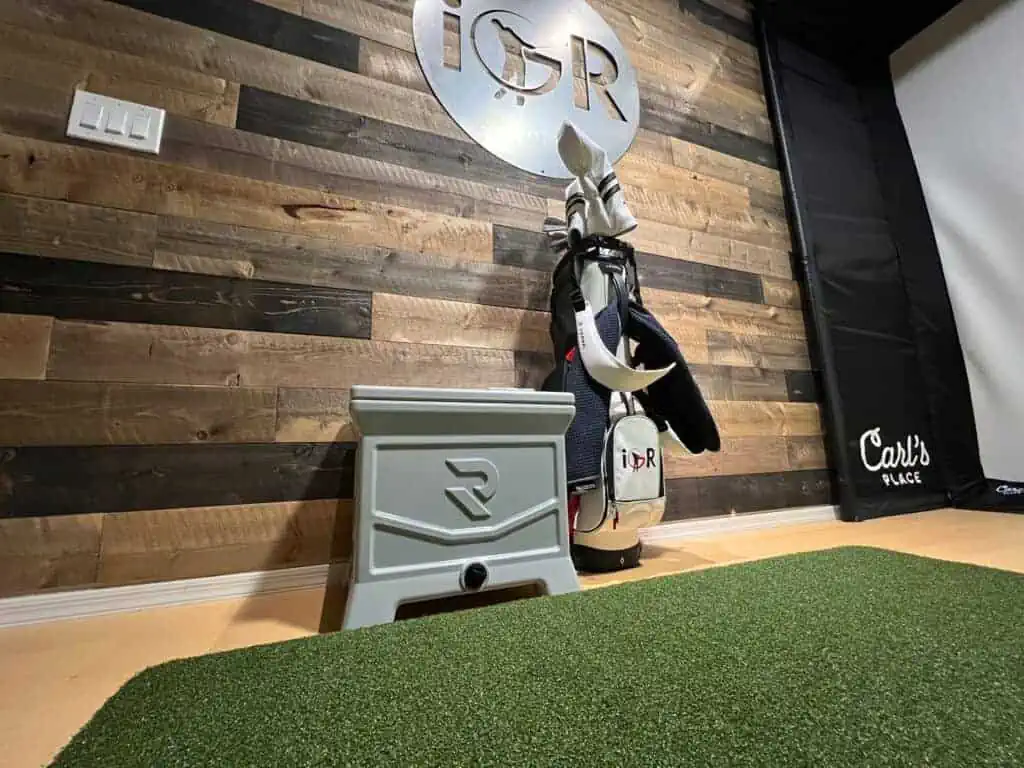
Every putter on this page went through the same process. All three of us putted with every pick, first in our indoor facility in Tucson, Arizona, then on real greens for at least five rounds. I’m a 3 handicap, and our other two testers are a 12-handicap and an 18-handicap senior, so between us we cover a wide range of strokes.
The full method is on our how we test page.
- 01Test it stock, then dial it in
We start every putter with its stock setup. If the length, lie or grip doesn’t suit one of us, we change it, so we judge the putter and not a bad fit.
- 02Putt indoors first
In our facility, all three of us roll everything from short putts to long lag putts. That shows how each putter starts the ball on line and how easy it makes speed to judge.
- 03Take them to real greens
Every pick gets at least five rounds on the course, where slopes, grain and nerves show up in a way a putting mat can’t match.
- 04Judge what matters
We judge start line, distance control on long putts, confidence over short putts, feel and sound, and how easy each putter is to aim.

How to choose the right putter
A putter can’t read a green for you. What the right one can do is start the ball on the line you chose and make speed easier to judge, and those two things decide most putts.
Start with how your putter moves: straight back and through, or on an arc. That points you to the right balance and head shape. Then get the length right and choose the face, alignment and grip you trust.
Start with your stroke
Pick the stroke that sounds most like yours. Each row gives you the balance and head shape that usually suit it, plus the picks that fit it best.
Straight back and through
- Balance
- Face-balanced or zero-torque
- Head shape
- Mallet or high-MOI mallet
- Look for
- A double-bend, center-shaft or zero-torque design
Picks from this list that suit you
Slight arc
- Balance
- Slight to medium toe hang
- Head shape
- Mallet, fang or blade
- Look for
- A plumbing neck, L-neck or single bend
Picks from this list that suit you
Strong arc
- Balance
- Strong toe hang
- Head shape
- Blade or wide blade
- Look for
- A slant or plumbing neck
Picks from this list that suit you
I miss short putts / I’m not sure
- Balance
- Zero-torque or face-balanced
- Head shape
- Big, stable mallet
- Look for
- Stability and long alignment lines
Picks from this list that suit you
These are starting points, not rules. If you’re not sure which stroke you have, see the FAQs below or ask a fitter, who can also check your length and lie in a few minutes.
Blade or mallet
A blade is a small, traditional head with its weight in the heel and toe. It gives you the most feedback, and it suits a stroke that swings on an arc. A mallet is bigger, with weight pushed back and out to the edges, so it twists less when you miss the center and has more room for alignment lines.
For most golfers, a mallet is the safer choice: it’s steadier on short putts and easier to aim. Choose a blade if your stroke arcs and you love the look and feel. The PING PLD Milled Anser 30 is our blade pick, and the TaylorMade Spider Tour X and Scotty Cameron Phantom 9.2R lead the mallets.
Toe hang and your stroke
Rest the shaft across one finger and let the head settle. If the face points at the sky, the putter is face-balanced. If the toe hangs toward the ground, it has toe hang, measured in degrees. The neck sets most of this, so the same head can behave very differently with a different neck.
Face-balanced putters resist turning, which suits a straight-back-and-through stroke. Toe hang lets the face open and close more freely, which suits an arc: a little for a slight arc, more for a strong one. Match the two and the face returns square more easily. That’s why the Spider Tour X comes in three necks, from face-balanced to 30° of toe hang.
Zero-torque putters, explained honestly
Most putters want to twist a little as you swing them, because the shaft joins the head near the heel. A zero-torque putter, often called lie-angle balanced, places the shaft and weight so the head has no natural pull to open or close. That helps most if your short putts miss because the face turns at impact, and it suits straight strokes and slight arcs best.
They do feel different. The head feels heavy and steady, many are set up with your hands ahead of the ball, and my first round with one was one of my worst; it took me two rounds to adjust. They aren’t magic, either: a zero-torque putter won’t read greens or fix poor speed. If you’re curious, the $199.99 Wilson Infinite Zero Torque Lakeview is a low-cost way to try one.
Length and lie
Many golfers use a putter that’s too long. Most stock putters are 34 or 35 inches, but plenty of golfers fit 33 or 34. A putter that’s too long makes you stand tall with bent elbows and puts your eyes inside the ball, so you aim off line without knowing it.
Set up with your eyes over the ball and your arms hanging relaxed. The right length is where your hands meet the top of the grip. Then check the lie: the sole should sit flat, with neither the toe nor the heel in the air. A fitter can bend most steel putters to fix it.
Inserts vs milled faces
An insert is a softer material set into the face, usually a polymer, sometimes with a metal backing. It feels soft and sounds quiet. A milled face is cut from solid metal, and the depth and pattern of the grooves set how firm it feels. Milled faces give more feedback, so you know right away when you miss the center.
Neither is better for everyone. What matters is distance control, so choose the face that tells you clearly how hard you hit the putt. Some faces are also built to keep ball speed even when you miss the center, like the milled faces on the Cleveland HB Soft 2 Black Retreve and Bettinardi BB 6.0. If you often leave putts short, a firmer face can help: the steel insert in the L.A.B. Golf OZ.1i gets the ball rolling quickly.
Alignment aids
Lines, dots and contrasting colors help you aim the face. Long lines that run back from the face make it easier to see whether you’re aimed left or right, which is why most mallets have them. A single sight line or dot is cleaner and suits golfers who aim with the face itself.
More lines aren’t always better. Choose the aid that helps you aim straight with the least fuss. If you draw a line on your ball, a putter with a matching line helps you set up square. Then check your aim with a chalk line or an alignment stick, because what looks square often isn’t.
Grips and counterbalanced putters
Grip size changes how much your hands get involved. A standard pistol grip gives the most feel and suits golfers who putt with their hands. An oversized grip quiets the hands and wrists, which helps golfers who get twitchy on short putts, and non-tapered versions keep both hands level.
A counterbalanced putter adds weight under your hands, usually with a heavier head and a longer shaft that you grip down on. It makes the stroke feel slower and steadier, which helps nervy short putts. There’s more on sizes and shapes in our best putter grips guide.
Getting fitted
A putter fitting doesn’t take long, and it’s the quickest way to fix your length, lie and aim. A fitter watches your stroke, often with a camera system that tracks the face and path, then matches you to a head, a neck and a length.
If you can’t get fitted, use the stroke table above, check your length at home and buy from a store with a fair return policy. Then give a new putter a few rounds before you judge it, especially a zero-torque model.
Putter FAQs
What is the best putter of 2026?
The TaylorMade Spider Tour X. It’s stable, easy to aim and comes in three necks, so it fits more strokes than any other putter on this list. Spider Tour X putters also won 11 PGA Tour events in 2026 through the Tour Championship, more than any other model.
If you prefer a blade, get the PING PLD Milled Anser 30. If short putts are your problem, try the L.A.B. Golf DF3i.
Should I use a blade or a mallet putter?
Most golfers are better off with a mallet. It twists less on off-center putts and is easier to aim, which matters most on short putts.
Choose a blade if your stroke arcs and you like the feel and feedback. Our picks are the Scotty Cameron Phantom 9.2R for mallets and the PING PLD Milled Anser 30 for blades.
What is a zero-torque putter?
A putter built so the head doesn’t try to twist open or closed during your stroke. The shaft and weight are placed so the head balances at its lie angle, which is why you’ll also see them called lie-angle balanced.
The idea is that the face stays square more easily, so short putts start on line. The L.A.B. Golf OZ.1i is our zero-torque pick.
Are zero-torque putters worth it?
For many golfers, yes, especially if your short putts miss because the face turns at impact. They help less if you already start the ball on line and your misses come from speed or reads.
They feel different and take a round or two to learn. To try one without spending $400 or more, the Wilson Infinite Zero Torque Lakeview costs $199.99 and earned 5 out of 5 in our review.
What is the best putter for beginners and high handicappers?
The Cleveland HB Soft 2 Black Retreve. Its milled face is built to keep off-center putts rolling the right distance, it’s face-balanced with three alignment lines, and it even picks the ball out of the hole for you. It’s $199.99.
If short putts are your problem, the zero-torque L.A.B. Golf DF3i is the most stable putter here. On a tight budget, the Wilson Harmonized X5 costs $69.99.
What length putter should I use?
Most golfers fit a putter between 33 and 35 inches, and many use one that’s too long. Set up with your eyes over the ball and your arms hanging relaxed. The right length puts your hands at the top of the grip without crouching or standing tall.
If you’re not sure, a fitter can check it in a few minutes. Cutting a putter down is easy; making it longer takes an extension.
Is a Scotty Cameron putter worth it?
If you love the look and feel and you’ll keep it for years, yes. Scotty Camerons are precision milled in the USA, and our two picks, the Phantom 9.2R mallet and the Studio Style Newport 2 blade, are among the best putters here.
But a $500 putter won’t make putts on its own. Our top pick, the TaylorMade Spider Tour X, costs $349.99, and the right fit matters more than the name on the head.
Are expensive putters better?
Not always. A higher price usually buys finer milling, premium materials and custom options, not more made putts. The best putter for you is the one that suits your stroke, your length and your eye.
Three of our picks cost $199.99 or less: the Wilson Infinite Zero Torque Lakeview, which earned 5 out of 5 in our review, the Cleveland HB Soft 2 Black Retreve and the $69.99 Wilson Harmonized X5.
How do I know my stroke type?
Lay an alignment stick or a club on the ground along your line and hit a few putts beside it. If the putter head tracks along the stick going back and through, your stroke is straight. If it swings inside the line going back and returns to it, your stroke arcs.
You can also film your stroke from above with your phone. Most golfers have at least a slight arc, which is why a little toe hang suits so many of us.

Ryan Heiman
Ryan Heiman founded Independent Golf Reviews in 2011 and still tests the clubs himself. He plays to a 3 handicap out of Tucson, Arizona. He writes for everyday golfers, with clear verdicts, honest downsides and a straight answer on which clubs are worth the money.
More about Ryan