Independent Golf Reviews is reader-supported, when you buy through links on our site, we may earn a commission.
The Best Golf Grips in 2026

Behind Independent Golf Reviews: How we test & review
1000+
Clubs Tested
14+
Years of Reviews
100%
Unbiased
Our Top Tested Picks
– Best Golf Grip Overall
– Best Budget Golf Grips
– Best Midsize Golf Grips
– Best Oversized Golf Grips
– Best Jumbo Golf Grips
– Best Golf Grips for Sweaty Hands
– Best Golf Grips for Arthritis
– Best Golf Grips for Women
– Best Tacky Golf Grips
– Best Putter Grip
How We Tested These Golf Grips
How To Choose The Best Golf Grips
FAQs
The grip is the only part of the club your hands touch, so it is vital to shaping your swing. A grip that’s worn or poorly fitted can make the club feel unstable. Fresh grips that are a good match will give you a cleaner connection and a more predictable feel. That often leads to better strikes, even without changing anything else in your technique.
If you want to get more out of your equipment, this guide is for you. Some golfers are looking for a tackier grip surface that stays secure in hot weather. Others want a firmer feel that keeps their hands quiet. Many simply need a grip size that matches their hand shape so they can swing without squeezing too hard.
Official Golf Grip Rankings 2026


In More Depth: Our TOp Picks

Pros & Cons
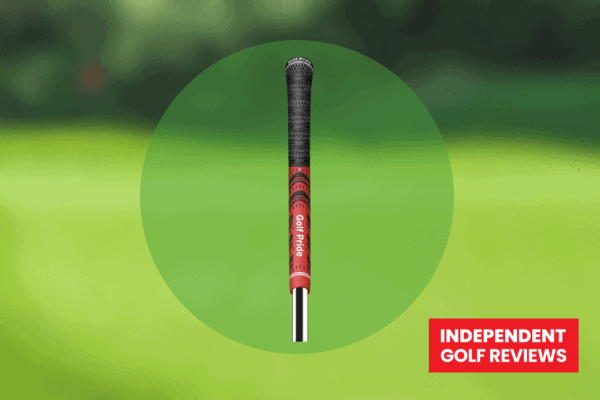
- Hybrid design balances feel and durability
- Alignment ridge promotes consistent hand placement
- Lower hand texture provides excellent traction
- Works well in various weather conditions
- Trusted by PGA Tour professionals
- Premium pricing compared to budget alternatives
- Ridge feature requires initial adjustment period
Expert’s Thoughts
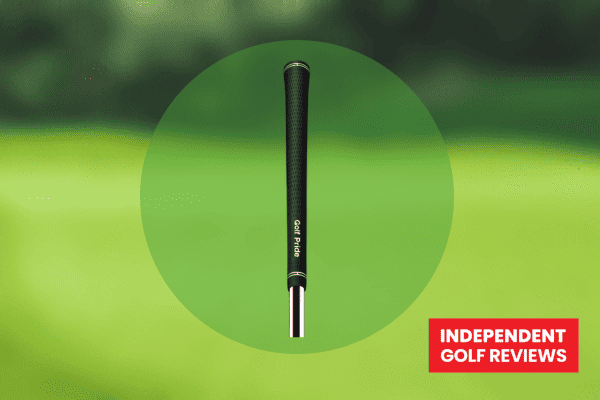
My experience with the MCC Align legitimately changed how I think about grip consistency. Before giving these grips a chance, I never realized how much my hand placement varied from swing to swing, especially under pressure. But the grip’s subtle ridge running down the back provides a reference point my hands naturally find without conscious thought, which translates directly into more repeatable ball striking.
What impressed me most was how this consistency compounds throughout a round. I’m making better contact because my setup is identical every time with these grips. That reliability alone has probably saved me three to four strokes per eighteen holes.
The hybrid construction delivers exactly what I need for different parts of my hands. The corded upper section gives me security even when my glove gets damp, while the rubber lower section maintains enough tackiness to prevent the club from twisting at impact. I’ve played through humid days and cool mornings without ever feeling like I needed to adjust my grip pressure due to slickness.
The durability continues to impress me. I’m 20 rounds into these grips, and they’re showing minimal wear compared to previous all-rubber options I’ve used. The cord section maintains its texture, and the rubber hasn’t become slick or hardened. For golfers serious about consistent contact and willing to invest in quality equipment that actually delivers measurable improvements, this Golf Pride grip justifies every dollar.
Who It’s For
This grip suits golfers who struggle with inconsistent hand placement and anyone seeking Tour-level performance. They’re perfect for players with moderate to fast swing speeds who need reliable traction without sacrificing feel. Also ideal for those who play frequently in varying weather conditions and want a grip that performs consistently year-round. Serious golfers willing to invest in premium equipment for measurable improvement will love these Golf Pride grips.

Pros & Cons
- Exceptional value without sacrificing core performance
- Textured pattern provides reliable all-weather grip
- Lightweight design reduces overall club weight
- Durable construction withstands extended use
- Available in multiple color options
- Less premium feel compared to expensive options
- Texture may feel aggressive to sensitive hands
Expert’s Thoughts
I approached the Sidewinder 260 with lower expectations given the price point, assuming I’d be compromising performance to save money. That assumption was completely wrong. These grips have stayed in my backup set for an entire season, and I genuinely forget I’m not using grips costing three times as much.
The value here is quite good as I re-gripped an entire set for less than what four premium grips would cost. Sure, the rubber compound doesn’t feel quite as refined in your hands, but once you’re focused on your shot rather than analyzing grip texture, they simply work.
Check the price for Star Grip Sidewinder 360 Grips on Star Grip ↗
What stands out is how well these perform when conditions begin to deteriorate. I’ve played through light rain and high humidity without feeling like my hands were slipping or needing to strangle the club. The textured pattern provides enough purchase to maintain consistent pressure throughout the swing, which is ultimately what matters most.
The durability has been better than anticipated too. After six months of regular range sessions and course play, they’re showing wear comparable to grips costing significantly more. For golfers who play frequently and need to re-grip multiple times per year, this becomes a game changer financially.
Who It’s For
Perfect for budget-conscious golfers who refuse to compromise on playability and for weekend warriors who re-grip frequently due to high play volume and want to minimize costs. The grips are also great for beginners building their first quality set without overspending on accessories. Excellent choice for backup sets or practice clubs where premium grips aren’t financially viable.

Pros & Cons
- Slightly larger diameter reduces tension
- Sustainable materials appeal to eco-conscious golfers
- Excellent moisture management keeps hands dry
- Soft yet stable compound feels comfortable
- Reduces grip pressure for smoother tempo
- May feel too large for smaller hands
- Premium pricing reflects sustainable manufacturing process
Expert’s Thoughts
Switching to midsize grips was something I resisted for years, as I was convinced the standard size was perfect for my hands. The REVL Element forced me to reconsider, and my only regret is not making the change sooner. The slightly increased diameter fundamentally altered how much tension I carry in my hands and forearms throughout the swing.
Within three rounds, I noticed my tempo smoothing out considerably. I wasn’t strangling the club anymore, especially on pressure shots where I’d previously gripped tighter unconsciously. That relaxation cascades through my entire swing sequence, producing more consistent contact and better distance control. My dispersion tightened up noticeably, particularly with mid to long irons where tension previously caused the most problems.
The moisture management is exceptional. I tend to have naturally damp hands, and many grips become slick within a few holes on humid days. The Element compound channels moisture away effectively, maintaining consistent traction throughout the round. I haven’t needed to wipe my grips down mid-round even on the most oppressive summer days.
What surprised me was how quickly I adjusted to the larger size. Within a handful of swings, it felt completely natural, and now standard grips feel uncomfortably thin. Sustainable materials at the heart of these grips are a bonus that makes me feel better about the purchase, though I’d choose these purely based on performance even without the environmental consideration.
Who It’s For
Designed for golfers who struggle with excessive grip pressure and tension and those with larger hands or those experiencing hand fatigue during rounds. Perfect for anyone seeking smoother tempo through reduced tension in forearms and hands. Also worthy of consideration for environmentally conscious golfers wanting sustainable equipment without performance compromise.

Pros & Cons
- Classic design trusted for multiple decades
- Surface pattern provides consistent all-weather traction
- Oversized diameter promotes lighter grip pressure
- Affordable pricing makes full set regripping accessible
- Proven durability across millions of golfers
- Traditional aesthetic won’t appeal to everyone
- Firm compound may feel hard initially
Expert’s Thoughts
There’s a reason the Crossline has remained essentially unchanged for decades while trends come and go. It simply works, and the oversized version amplifies the benefits that made the original so popular. The increased diameter transformed how I hold the club, forcing me to relax my hands in ways that immediately improved my ball striking.
My slice tendency diminished noticeably within the first round. The larger grip naturally quieted my hands through impact, preventing the last-second flip that previously sent balls sailing right. That single improvement dropped three strokes off my handicap over the following month. I wasn’t making any other swing changes; the grip did the heavy lifting by promoting better mechanics automatically.
The surface pattern is deceptively simple but incredibly effective. Rain, humidity, cold weather, it doesn’t matter. My hands stay connected to the club without needing to increase pressure. I’ve played through conditions that previously had me worried about the club slipping, and these grips never gave me a reason to doubt my hold.
Durability-wise, these are workhorses. I’m approaching a full year on the same set with minimal visible wear. The crossline pattern still has its definition, and the compound hasn’t hardened or become slick like some grips do after extended use. The firmness that initially felt unusual has become something I actively prefer because it provides clear feedback.
For golfers battling hooks or slices caused by overactive hands, or anyone with larger hands needing more substantial grips, these deliver proven performance at prices that make regular replacement financially reasonable.
Who It’s For
Built for golfers with larger hands requiring substantial grip diameter and those fighting slices or hooks from overactive hands. Perfect for casual golfers who prefer traditional aesthetics and proven designs. I also feel these grips are wonderful for budget-conscious golfers needing full set re-gripping without premium pricing.

Pros & Cons
- Maximum diameter dramatically reduces wrist action
- Exceptionally comfortable for extended practice sessions
- Eliminates death grip tension completely
- Excellent for players with hand arthritis
- Unique feel builds confidence at address
- Significant adjustment period for new users
- May not be tournament legal everywhere
Expert’s Thoughts
Going jumbo felt extreme at first, like I was holding a baseball bat rather than a golf club. That initial strangeness disappeared within a bucket of balls at the range, replaced by the realization that I’d been fighting my equipment for years. The Comfort Wrap is so large that gripping tightly becomes physically impossible, which sounds limiting but actually liberated my swing.
My hands now serve purely as the connection point between my body and the club rather than active participants trying to manipulate the clubface. This passive role produced straighter shots immediately because I wasn’t twisting the club at impact. My miss pattern tightened, helping narrow my dispersion and reducing the severity of my misses.
The comfort factor during practice is worth noting as I regularly hit 100-ball sessions without any hand fatigue or soreness that previously cut my range time short. Being able to practice longer without discomfort has accelerated my improvement because I’m getting more quality repetitions per session.
What took me by surprise was the confidence boost. Looking down at these massive grips creates a psychological effect where the club feels more stable and controllable. That mental edge translates into smoother, more committed swings because I’m not second-guessing my hold as I start the backswing.
The adjustment period is real and requires patience, so be prepared. Your first round on the range will feel weird, possibly uncomfortable. My advice is to push through that initial phase, and you might discover, like I did, that your previous grip size was actually limiting your potential.
Who It’s For
Designed for golfers suffering from arthritis or hand pain and those with severe slice issues from overactive hands. Comfortable for those seeking maximum stability during extended practice. Best for golfers willing to embrace unconventional equipment for significant performance gains.

Pros & Cons
- Superior moisture wicking prevents slipping completely
- Aggressive texture maintains hold in wettest conditions
- All-surface coverage eliminates any slick spots
- Confidence-inspiring even during humid rounds
- Durable construction resists breakdown from moisture
- Texture may feel too aggressive initially
- Higher price reflects specialized performance features
Expert’s Thoughts
I’ve struggled with sweaty hands my entire golfing life, constantly wiping my grips between shots and still feeling insecure at address. The Dragon Skin 360 solved a problem I’d accepted as unsolvable. The first humid day I played with these, I realized halfway through the front nine that I hadn’t wiped my grips once, and my hands still felt secure.
The moisture management is very impressive as they maintain traction regardless of how much moisture accumulates. I’ve tested them in 95-degree heat with oppressive humidity, and they performed identically to cool, dry mornings. That consistency eliminated a major variable that previously affected my scoring.
My confidence on full swings increased immediately because I stopped worrying about the club slipping at impact. That mental relief alone is worth the investment in the Dragon Skin 360 grips, but the performance benefits extend further. I’m swinging more freely without subconsciously adding grip pressure as a safety mechanism, which has smoothed out my tempo and improved my contact quality.
For golfers whose sweaty hands have been a constant source of frustration and inconsistency, these grips are genuinely game-changing. They eliminate a problem that affects far more players than most equipment discussions acknowledge.
Who It’s For
These Dragon Skin grips are wonderful for golfers with naturally sweaty or clammy hands and for players in humid climates where moisture is constant. These grips are ideal for weekend warriors who’ve struggled with grip security affecting swing confidence and are tired of constantly wiping grips during rounds.

Pros & Cons
- Ultra-soft compound reduces hand strain significantly
- Tacky surface requires minimal grip pressure
- Lightweight design lessens club weight stress
- Water-resistant material performs in all conditions
- Japanese engineering provides exceptional quality
- Premium pricing reflects specialized manufacturing
- Softer compound may wear faster than firm grips
Expert’s Thoughts
Arthritis in my right hand had me seriously considering whether golf was still viable long-term. The Sticky 3.5 extended my playing career in ways I didn’t think possible with a simple grip change. The ultra-soft compound requires so little pressure to maintain control that my hand pain during and after rounds decreased by roughly 70 percent.
What amazed me was how much grip pressure I’d been using unnecessarily. These grips are so tacky that even with the lightest possible hold, the club feels completely secure throughout the swing. That reduction in pressure cascaded through my entire body, reducing tension in my forearms, shoulders, and back.
The lightweight construction makes a noticeable difference when multiplied across an entire set. Shaving even a few grams per club reduces the cumulative stress on my hands over 100+ swings per round.
Performance in wet conditions exceeded my expectations for such a soft grip. The proprietary compound maintains its tackiness even when damp, and the water-resistant properties mean they don’t absorb moisture and become heavy or slippery. I’ve played through light rain without any security concerns.
The durability is my only minor concern. The soft compound shows wear more visibly than firmer grips I’ve used, though the performance hasn’t degraded noticeably yet. For the pain relief and extended playability these provide, I’d happily re-grip more frequently.
Who It’s For
These grips are critical for golfers suffering from arthritis or joint pain and ideal for anyone experiencing hand fatigue during rounds. The Iomic grips are excellent for players requiring minimal grip pressure due to medical conditions that restricts hand movement.

Pros & Cons
- Softer compound suits typically lighter grip pressure
- Excellent cushioning reduces vibration and hand fatigue
- Polymer material performs well in various temperatures
- Sticky feel inspires confidence without excessive firmness
- Attractive color options available for personalization
- Less durable than harder compound alternatives
- May feel too soft for aggressive swingers
Expert’s Thoughts
As someone who doesn’t generate Tour-level swing speed, I like grips that work with my tempo rather than fighting it. The Dri-Tac Wrap feels custom-designed for my swing characteristics, providing just enough cushioning to dampen vibrations without feeling mushy or unstable. The comfort improvement over firmer grips I’d used previously was immediately noticeable.
The polymer material absorbs enough shock that even mis-hits don’t sting my hands the way they did with harder grips. The tackiness level is perfect for my grip pressure preferences. I don’t need to hold the club aggressively to feel secure, which keeps my forearms relaxed throughout the swing.
That relaxation has smoothed out my tempo noticeably and improved my contact consistency. My ball striking has never been better, and I genuinely believe these grips deserve partial credit for that improvement.
Temperature performance has been solid across the range of conditions I’ve encountered. They maintain their soft, tacky feel in cool spring mornings and hot summer afternoons without becoming slick or overly firm. The only environmental factor that affects them noticeably is heavy rain, where they can become slightly slippery, though still manageable.
Who It’s For
Designed specifically for golfers with moderate swing speed experiencing hand fatigue or vibration discomfort. Perfect for those preferring softer feel and lighter grip pressure and wanting comfort without sacrificing performance or control.

Pros & Cons
- Exceptionally tacky surface provides maximum traction
- Minimal pressure needed for secure hold
- Promotes relaxed hands and smoother tempo
- Works excellently in hot, humid conditions
- Premium feel matches Tour-level expectations
- Tackiness attracts dirt and debris quickly
- Premium pricing reflects high-end positioning
Expert’s Thoughts
I’ve used grips marketed as “tacky” before, but the NO1 50 Pro exists in a completely different category. The surface adhesion is so pronounced that my first few swings felt almost too sticky, like the grip was fighting my natural hand release. Within half a dozen shots, I realized that feeling wasn’t the grip being too tacky but rather highlighting how much unnecessary grip pressure I’d been using for years.
The reduced tension allowed my wrists to hinge and release naturally instead of staying rigid through impact. My clubhead speed actually increased despite using less muscular effort, and my contact became noticeably more centered. These changes showed up immediately in my launch monitor data and translated directly to better scoring.
The tackiness remains consistent across a full round, even on hot days when my hands get sweaty. Other tacky grips I’ve tried would become slick after a few holes once moisture accumulated, but the NO1 compound seems to maintain its adhesion regardless of conditions. I played through a particularly humid stretch of summer rounds without ever feeling insecure during my swing.
The main drawback is maintenance as the tacky surface acts like a magnet for dirt, grass, and sand. I find myself cleaning these grips more frequently than any others I’ve used, wiping them down every few holes to maintain optimal performance. It’s a minor inconvenience compared to the benefits, but worth noting for those who prefer low-maintenance equipment.
Who It’s For
Designed for skilled golfers who demand precise feedback and Tour-level traction but struggle with maintaining light grip pressure throughout their swing. Perfect for those competing or practicing in warm, moisture-heavy environments where standard grips fail to provide adequate security. Also suited for players who don’t mind the extra maintenance of wiping down their grips regularly, viewing it as a small trade-off for the exceptional tackiness and performance these grips deliver round after round.

Pros & Cons
- Larger diameter reduces wrist action effectively
- Spyne technology promotes consistent hand alignment
- Tacky polyurethane maintains feel in all weather
- Comfortable for extended practice putting sessions
- Non-tapered design creates even pressure distribution
- Larger size requires adjustment for traditional users
- May not suit all putting stroke types
Expert’s Thoughts
My putting was the weakest part of my game for years, plagued by inconsistency that made short putts genuinely nerve-wracking. Switching to the Zenergy Tour 2.0 didn’t magically make me a great putter overnight, but it did eliminate several variables that were sabotaging my stroke. The larger diameter and Spyne ridge work together to keep my hands positioned identically on every putt.
That consistency translated immediately into better starting lines. My putts were rolling on my intended line far more frequently because my grip wasn’t varying from stroke to stroke. Within three rounds, my make percentage inside ten feet improved noticeably, and my three-putt rate dropped significantly. The grip wasn’t creating a better stroke mechanically, but it was allowing my natural stroke to repeat more reliably.
The reduction in wrist action was subtle but meaningful. I have a tendency to get handsy on short putts under pressure, adding last-second manipulations that push putts off line. The larger grip makes those hand movements far less influential, keeping my stroke more stable even when nerves kick in. My confidence in three-foot knee-knockers has improved dramatically as a result.
Comfort during practice has been excellent. I can roll putts for extended sessions without any hand fatigue or discomfort, which has increased my practice volume. More quality practice repetitions with consistent hand placement has created a positive feedback loop accelerating my improvement.
The non-tapered design took some adjustment initially. It feels unusual compared to traditional putter grips, but that evenness actually helps maintain consistent pressure throughout both hands rather than the bottom hand dominating.
Who It’s For
Great for golfers with erratic putting consistency and alignment and struggle with yippy, handsy strokes needing stabilization. Great for those wanting to reduce three-putts through better repeatability. Excellent for golfers open to non-traditional equipment for measurable improvement.
How We Test These Golf Grips
Testing golf grips is part feel and part performance. A grip might look great, but the real measure is how it behaves in your hands. Our testing process focuses on the qualities that matter most to golfers who want a secure, predictable connection to the club.
Fit and Hand Placement: We start by evaluating how each grip supports natural hand placement. A good grip should settle into the fingers without forcing adjustments. We look for signs of excess tension, slipping, or the need to “reset” the hands during the swing.
Texture and Traction: Surface texture plays a big role in your confidence. We test grips in both dry and humid conditions to see how well they maintain traction. Some grips offer a tacky feel that locks the hands in place. Others rely on patterns that provide stability without stickiness.
Firmness: Firmness influences how much the hands move during the swing and how much feedback you receive at impact. We assessed how each grip responded to different swing speeds and strike locations. Does a grip encourage a more relaxed hold or demand more pressure?
Shock Absorption: A grip should manage club vibration without feeling “mushy.” We tested how well each design absorbs shock on off-center hits and whether it maintained comfort over a full session. This is especially important for players with joint sensitivity or those who prefer a smoother feel.
Wear Patterns and Durability: Grips break down at different rates depending on what they’re made of and their texture. We evaluated how quickly a grip starts to show signs of wear and whether it maintains performance after repeated swings.
Performance Across Swing Types: Different players load the club differently. We tested grips with a range of tempos and release patterns to see how well they support various swing types. A grip that feels stable for a smooth tempo might behave differently for a faster player.
Join The CLub
Get insider access & stay up to date with the latest releases in golf
You may unsubscribe from the newsletters at any time.
How to Choose The Best Golf Grips
Choosing the right grip is one of the easiest ways to improve how the club feels in your hands. The grip influences how securely you can hold the club and how much tension builds in your hands and forearms. When a grip is right for your hand size and swing style, the club becomes easier to control. Here are the key factors to look at when selecting the best grips for your game.
Grip Size
Size is the foundation of grip selection. If a grip is too small, your hands will become overly active. You’ll start hooking the ball on more shots. If a grip is too big, it can restrict your release. The club will feel harder to square. Most golfers fall into standard or midsize when it comes to grips. However, your hand shape and finger length matter just as much as what it says on the measurement chart.
If you’re not sure where you fall, pay attention to how your hands settle on the club. If your fingers dig into your palm or you feel the need to squeeze tightly, the grip is probably too small. If your hands feel stretched or you need to squeeze tightly, it’s probably too large. Getting the size right often improves your control immediately.
Grip Texture and Surface Pattern
The texture determines how secure the grip feels during the swing. Some golfers prefer a tacky surface that almost sticks to the hands. Others like a more structured pattern that provides traction without feeling sticky. The right texture depends on your environment and how much moisture you typically deal with.
In hot or humid conditions, you may want a grip with a more pronounced pattern. This will help maintain traction if your hands start to sweat. Players who deal with rain or early-morning dew can benefit from textures that wick moisture away from the grip surface. If you play in mostly dry climates, a tackier grip might feel more comfortable. You want to find a texture that lets you hold the club lightly without worrying about slippage.
Grip Firmness
How does the club feel at impact, and how much do your hands move during the swing? Firmer grips tend to keep the hands quieter. This can help players who fight excessive hand action or prefer a more connected feel. These grips also transmit more feedback, which makes it easier to sense strike quality.
A softer grip will absorb more vibration. This can feel more comfortable, especially for golfers with sensitive joints or who prefer a cushioned feel. The trade-off is that softer grips may encourage a slightly tighter hold on the club. When choosing firmness, think about how you like the club to respond in your hands. A grip that feels right encourages a more relaxed and repeatable swing.
Grip Material
Most golf grips are made from rubber, a synthetic blend, or corded materials. Each behaves differently in various conditions.
Rubber grips offer a consistent feel and work well for a wide range of players. They’re comfortable and available in many textures. Synthetic blends offer enhanced tackiness or moisture management. They’re a good choice for golfers who play in changing weather.
Corded grips incorporate strands of cord into the grip’s surface. This gives them exceptional traction in wet or humid conditions. They can feel abrasive to some players, but they excel when moisture is a concern. If you play in rain or heat, or if your hands sweat easily, corded or hybrid designs can provide the extra security you need.
Grip Taper and Shape
Not all grips taper the same way from the top hand to the bottom hand. Traditional grips narrow gradually. This encourages the lower hand to play a more active role. Reduced taper or “plus size” lower sections keep the grip thicker under the trail hand, which can help reduce extra hand rotation. It also promotes a more stable release.
If you tend to flip the club or struggle with hooks, you may benefit from a reduced-taper design. Golfers who prefer more feel and hand action may gravitate toward a traditional taper. The shape of the grip can influence how the club moves through impact. It’s worth paying attention to how your hands behave with different taper profiles.
Moisture Management
Moisture is one of the biggest variables in grip performance. Even the best swing can fall apart if your hands slip at the top or during transition. If you often play in damp conditions, early mornings, or high humidity, you’ll want to look for a grip that’s designed to maintain traction when wet.
Corded grips are the most reliable in these situations. Many modern rubber or hybrid designs also incorporate patterns that channel water away from the surface. If you wear gloves, think about how the grip interacts with the glove material. Some grips feel tackier with gloves, and others are more secure with bare hands. The right combination will keep the club stable without forcing you to squeeze harder.
Grip Durability
Grips wear down gradually, and the rate of deterioration depends on the material and how often you play. Softer grips may feel great initially, but can lose tackiness faster. Corded grips might last longer, but tend to feel harsh to some players.
Consider how often you’re willing to replace your grips. If you play multiple times a week, durability is going to be a bigger factor. One that maintains its feel and traction over time provides more consistent performance and will reduce the need for frequent replacement.
Matching Grips to Swing Style
Your swing characteristics can help guide your choice of the best grip. Players with a fast transition usually prefer a firm grip that provides stability. Golfers with a smoother tempo tend to enjoy softer grips that offer more cushion. If you tend to release the club aggressively, a reduced-taper grip will help calm the lower hand. If you rely on feel, a traditional taper may suit you better. It’s best to choose a grip that complements your natural motion. That way, you’re not forced to adjust your equipment as often.
Feel and Personal Preference
This is subjective, but it still matters. A grip that feels natural is going to encourage a lighter hold and a smoother swing. If the grip feels uncomfortable, it will create tension and disrupt your rhythm. When testing grips, pay attention to how your hands settle on the club. How does the grip respond during some practice swings? There is no universal “best” feel. It comes down to what supports your swing and gives you confidence.
FAQs
How do I know when it’s time to replace my grips?
Most of us wait too long. If the surface starts to feel slick or forces you to squeeze harder than usual, it’s time for new ones. Frequent players may need to regrip once or twice a season, while occasional golfers can go longer. The key is maintaining traction without extra effort.
Should I choose standard or mid-size grips?
Hand size is a starting point, but comfort is equally important. If your fingers press deeply into your palm or you feel the need to grip harder, you may benefit from a mid-size grip. If the club feels hard to release or your hands feel stretched, the standard might be better. The right size should let your hands settle naturally without tension.
Are softer grips better if I have joint pain?
Softer grips can reduce vibration and make off-center hits feel less jarring. Many golfers with joint problems appreciate this. Keep in mind that a very soft grip might require a firmer hold. If comfort is the priority, look for a grip that cushions impact without feeling too “spongy.”
Do corded grips really help in wet or humid conditions?
Yes. Corded grips will give you excellent traction whenever moisture is a factor (including sweat). They can feel abrasive to some players, but they’re very reliable when conditions make the club harder to hold. If you play in heat or unpredictable weather, corded or hybrid grips are worth considering.
How much does grip firmness affect my swing?
It influences how active your hands feel during a swing. Firmer grips tend to keep the hands quieter and provide you with better feedback at impact. Softer grips may encourage a slightly tighter hold. Choose one that supports your natural motion rather than forcing you to adjust.
Do grips really influence shot direction?
Indirectly, yes. A grip that’s too small can make the hands overly active. One that’s too big can restrict your release. Both can affect the club’s face angle at impact. When the grip fits properly, the club tends to return to the ball more consistently.